Browse all quarters
Twenty-one pieces, filed in the six parts of the plan. No dropdowns: everything on the site is on this page.
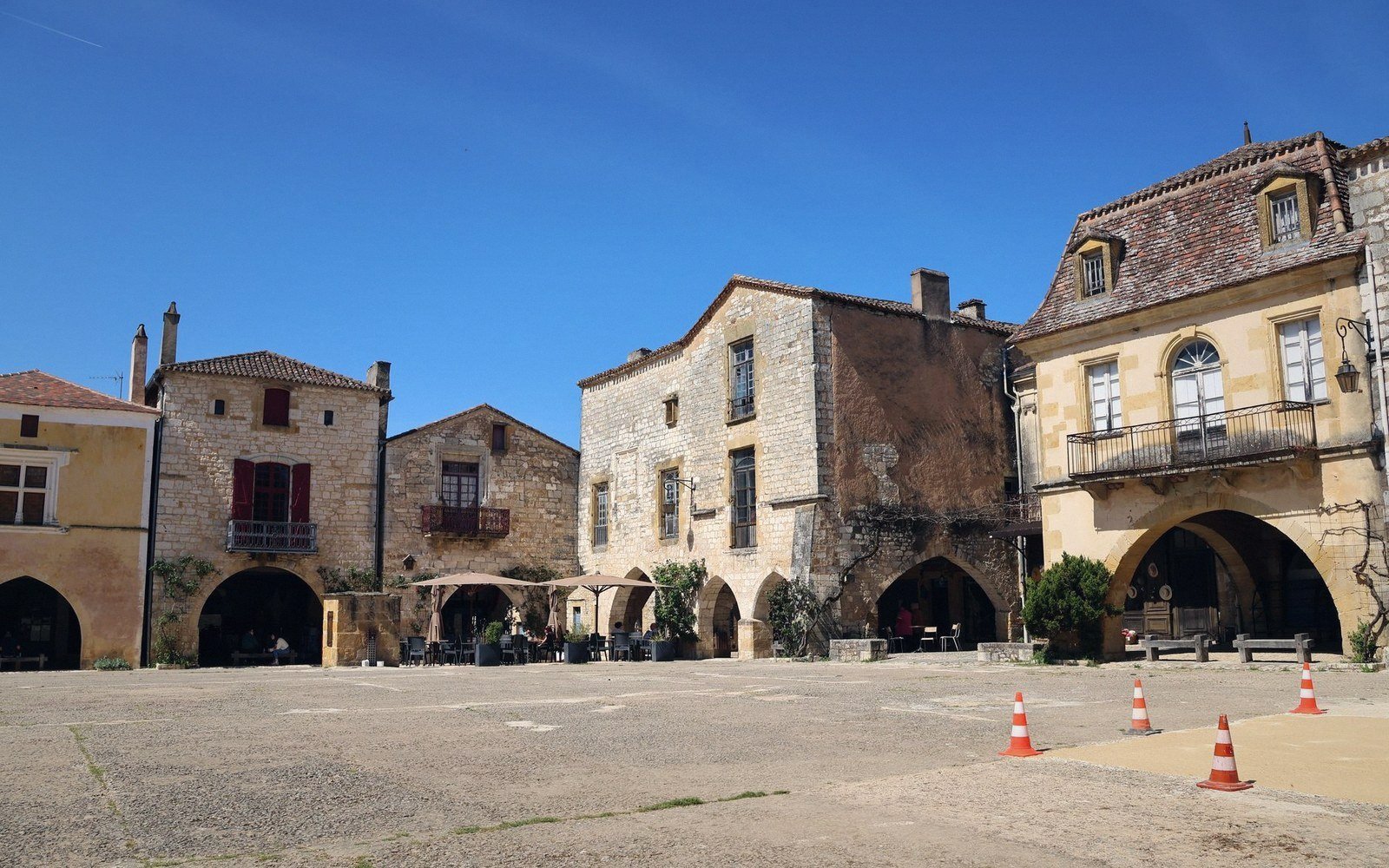
I · The Plan
Section page-
I
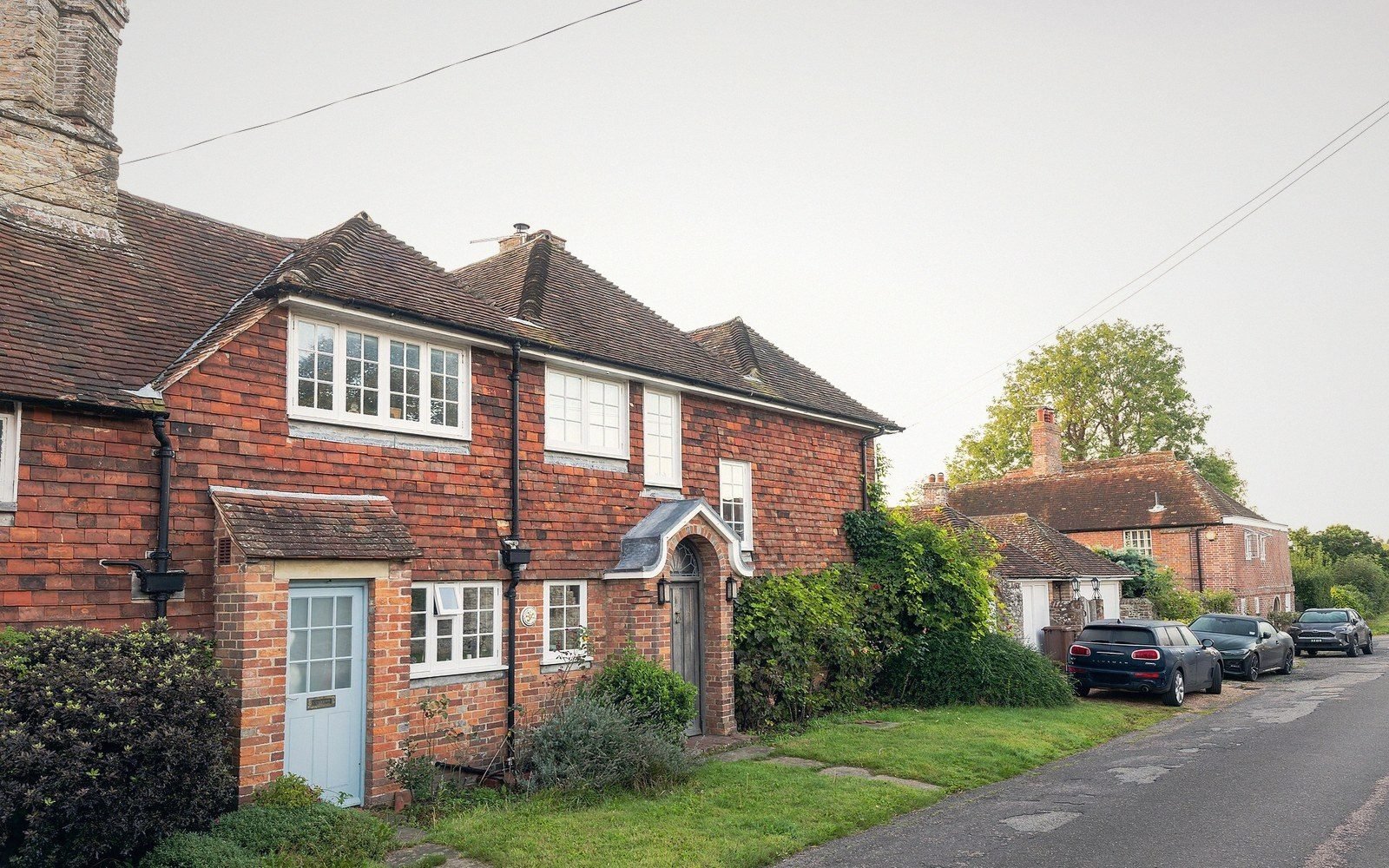
A Town Drawn Before It Existed
The sea took the old town in a night, and what replaced it was not a village that grew — it was a plan, set out on the ridge in equal blocks with a quay below the cliff. One of the most complete surviving medieval new towns in England, and why it was drawn that way.
-
II
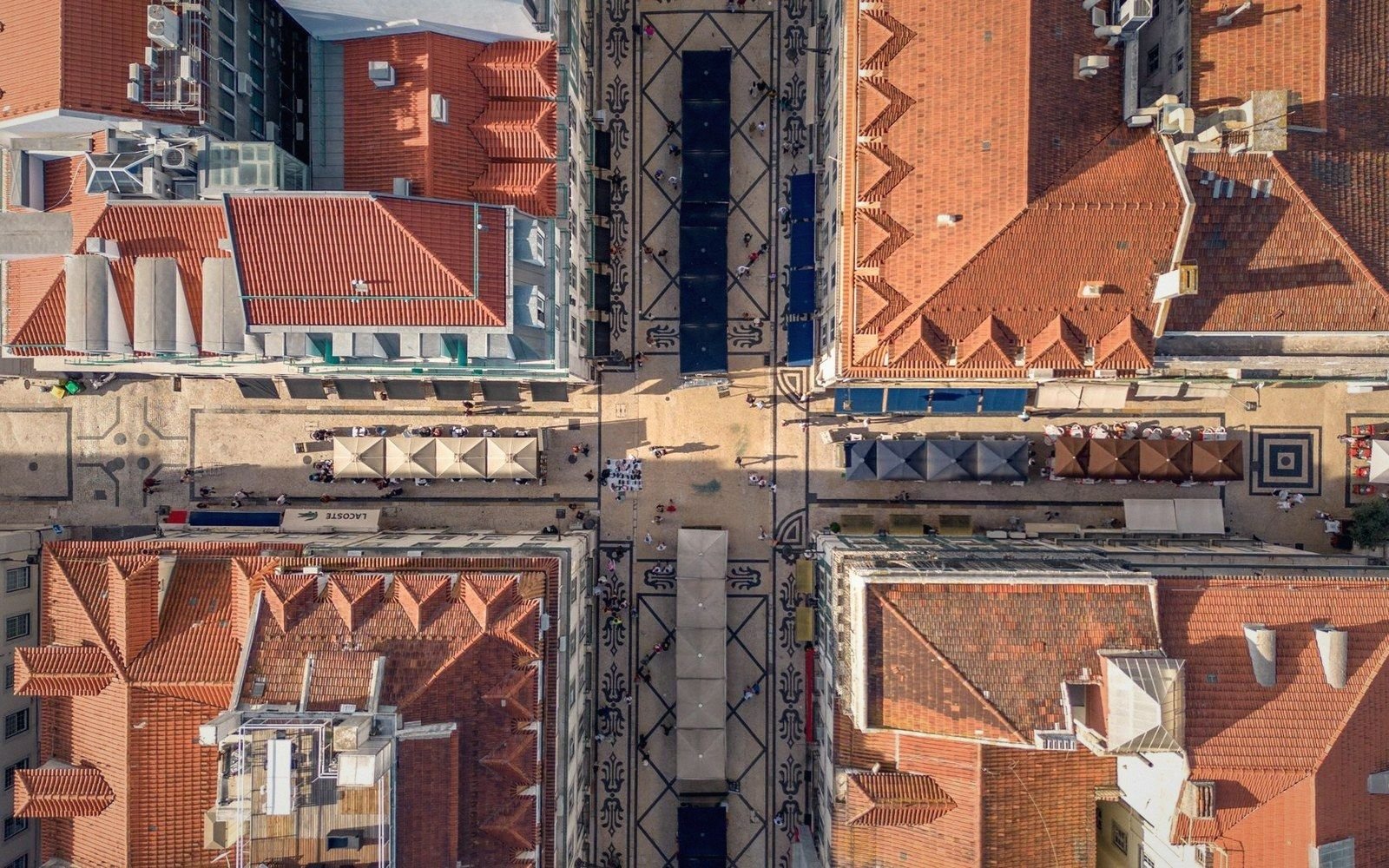
Thirty-Nine Quarters
The rental of 1292 records the grid square by square. What the document tells us about intended density, plot sizes and who was expected to live where.
-
III
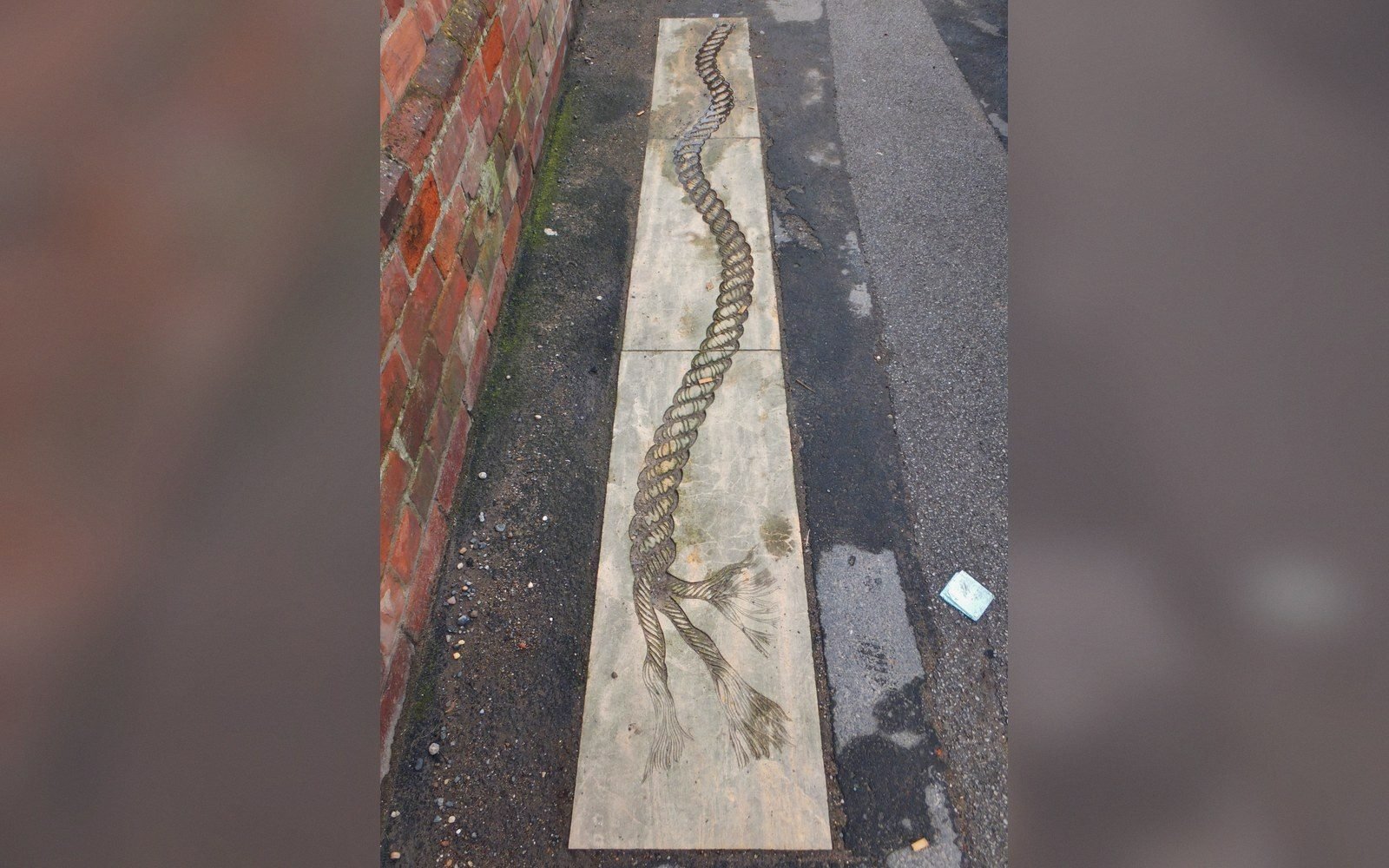
Who Actually Lays Out a Town
The mechanics of a planned foundation in the 1280s: royal intent, surveying on the ground, and the machinery for persuading people to move to it.
-
VIII
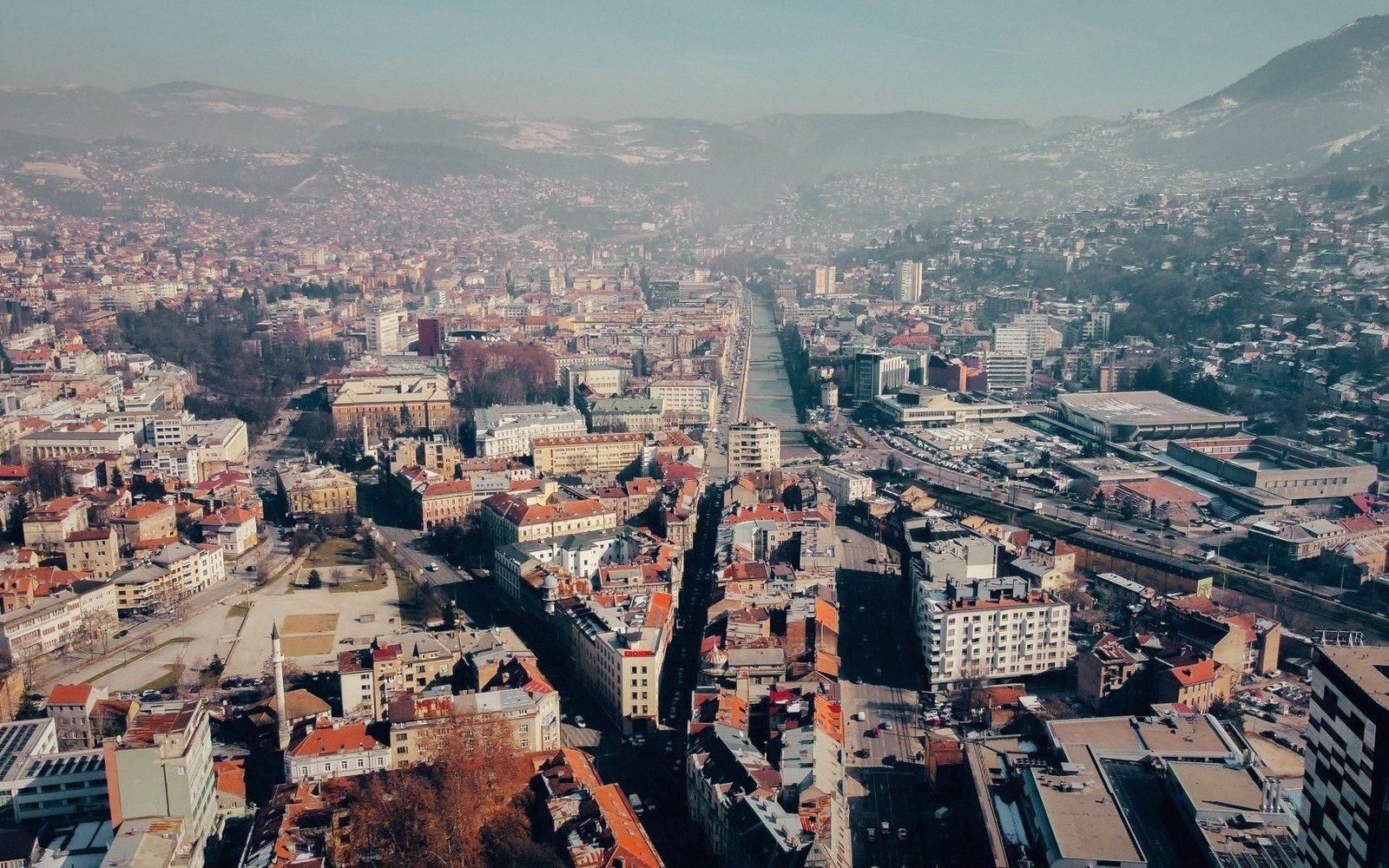
The Grid Meets the Slope
A rectilinear plan imposed on a ridge that is not flat. Where the geometry gives way to the ground, and what that reveals about the surveyors' priorities.
II · Under the Houses
Section page-
IX
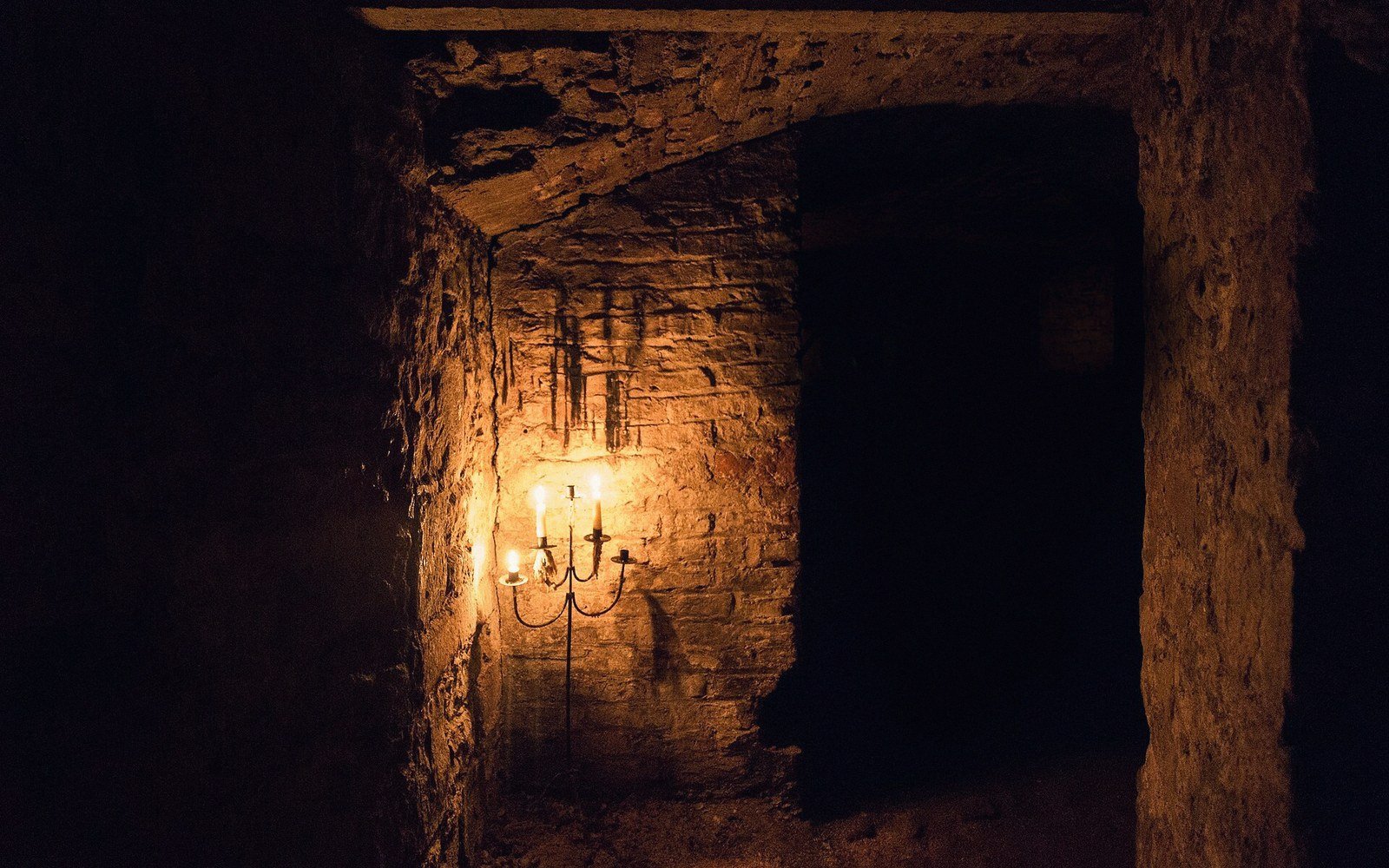
The Vaults
More than thirty medieval stone cellars survive beneath the plots — an unusual concentration. Built for the wine trade, cut into the sandstone, and evidence of a commercial scale the surface town no longer suggests.
-
X
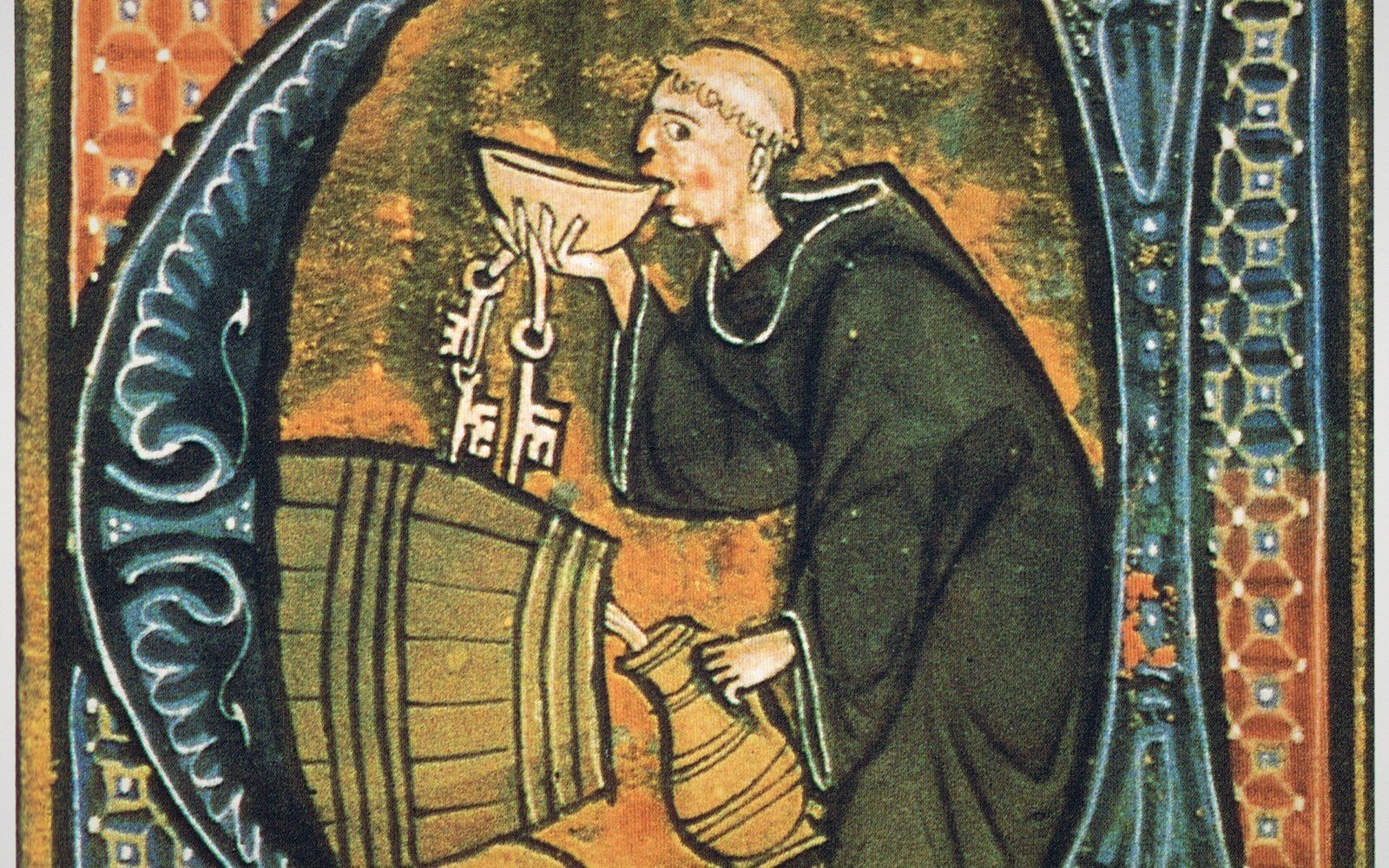
Wine, and Why It Needed a Cellar
Gascon wine as the trade that justified the vaults: how it arrived, what storage it required, and what the volume implies about the port's traffic.
-
XIV
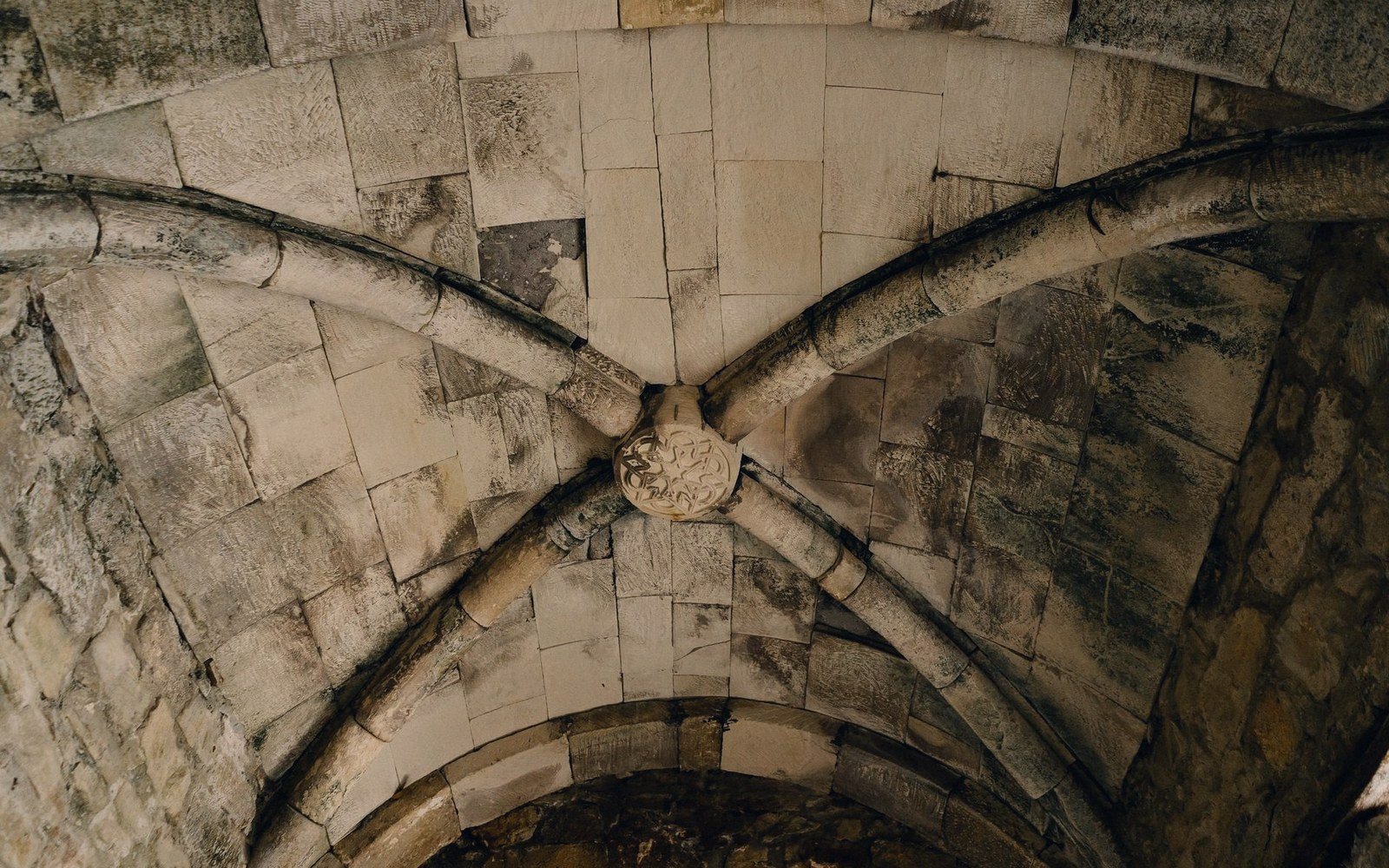
How to Read a Vault
Rib profiles, doorway positions and blocked stairs as dating evidence, and what the relationship between a cellar and the plot above tells you.
III · The Gates
Section page-
XV

Three Gates and No Wall
The Strand, Pipewell and New Gates stand in open ground, the New Gate nearly a mile from anything. What that says about the planned town.
-
XVI
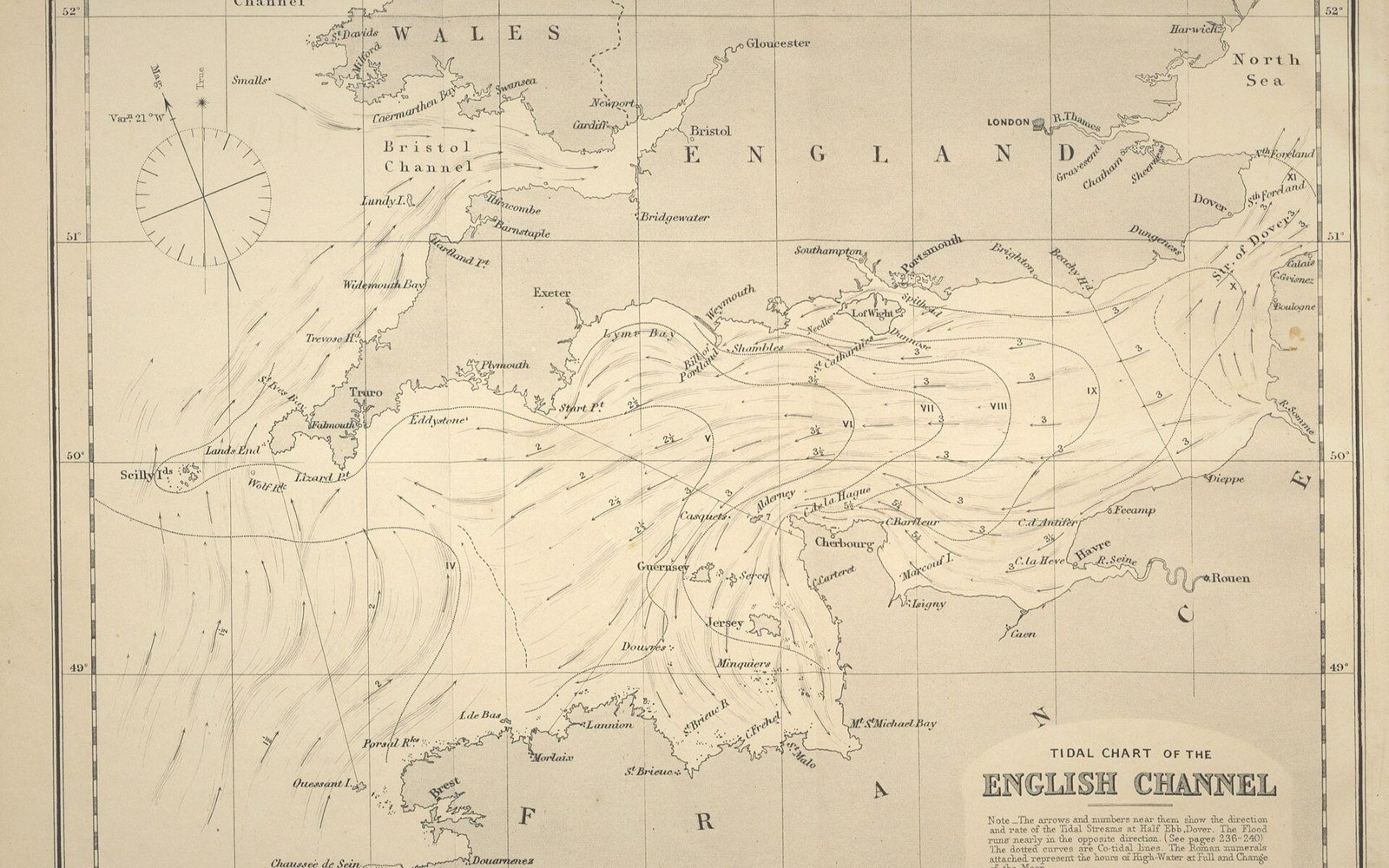
The Raids
Winchelsea was attacked repeatedly across the fourteenth century. What the documented raids did to the population and the trade, described soberly and without embellishment.
-
XVII
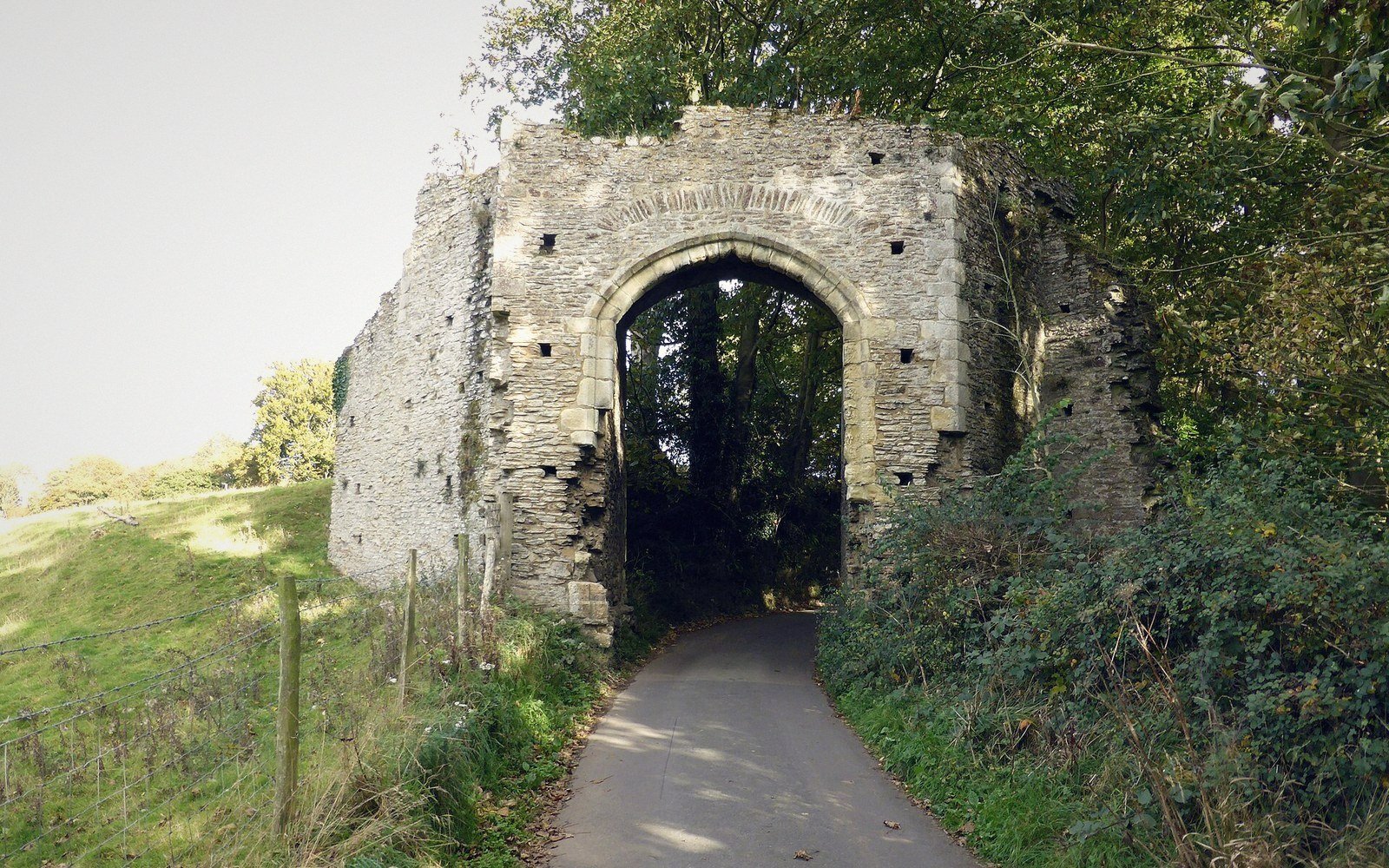
Defences That Were Never Finished
The wall circuit was planned and largely not built. What survives, what was intended, and why the money stopped.
IV · The Church
Section page-
XX
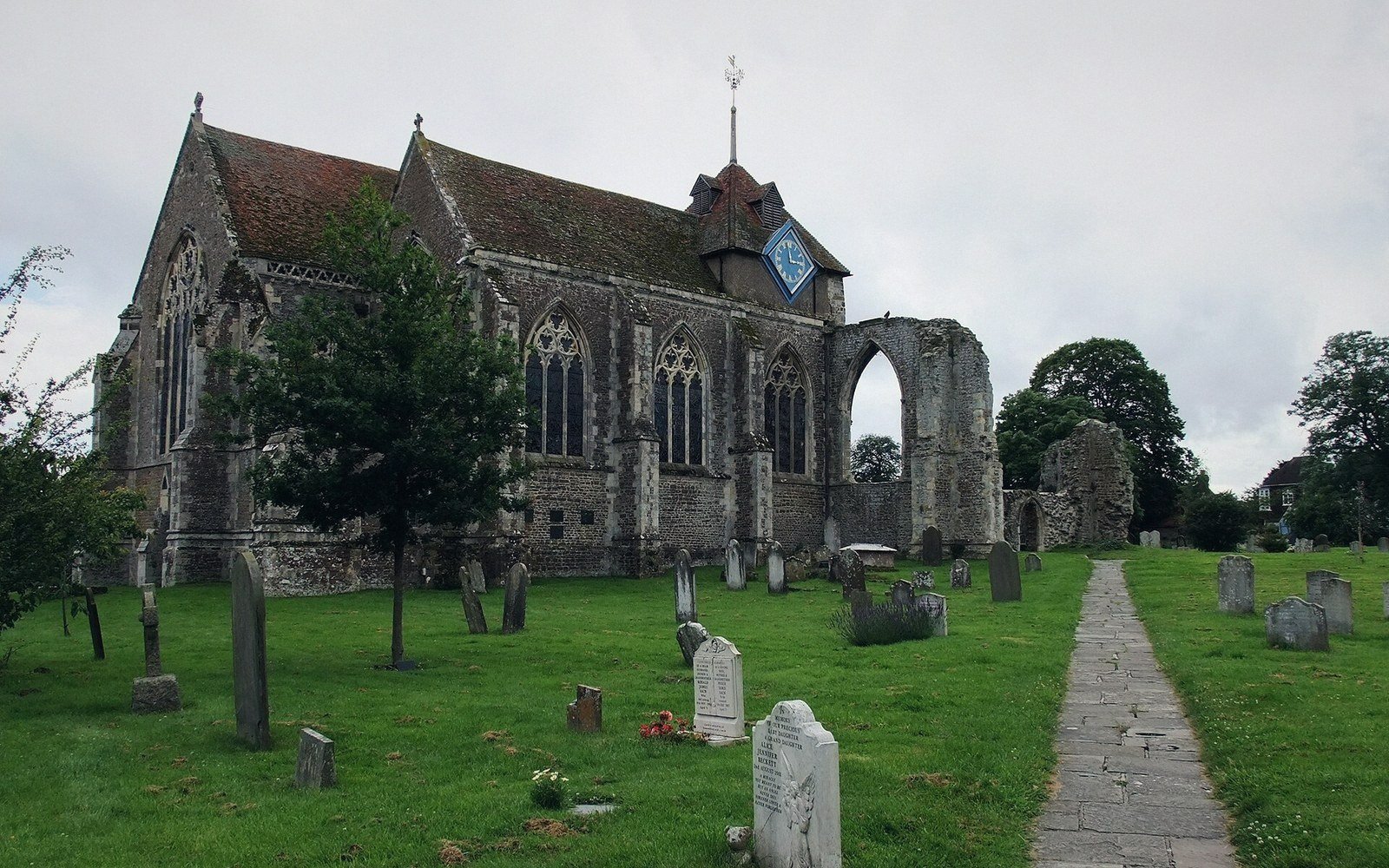
The Church That Lost Its Nave
St Thomas the Martyr stands as a chancel and transepts with nothing in front of them. Whether the nave was destroyed or never completed, and what the surviving fabric argues.
-
XXI
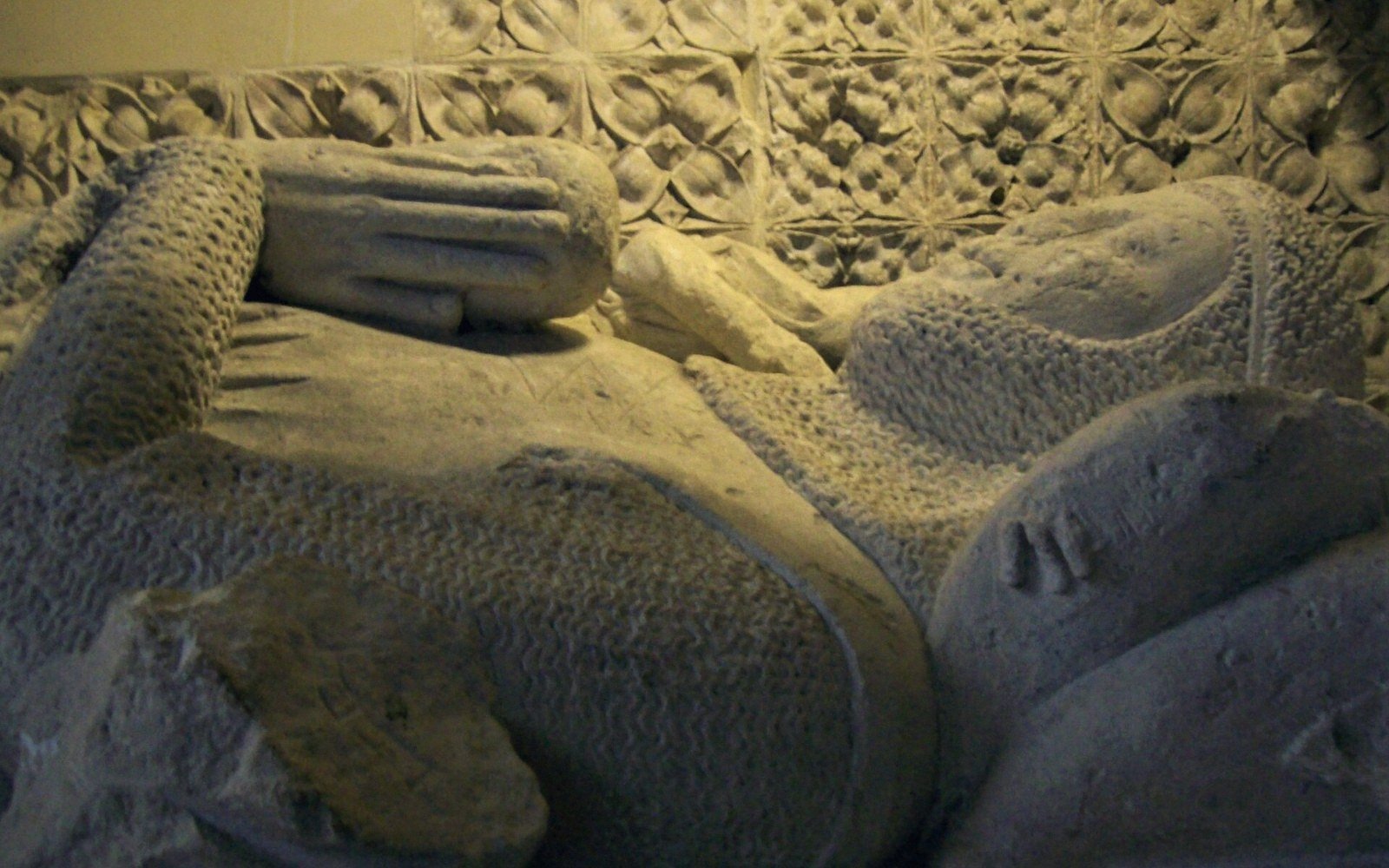
The Alard Tombs
Two of the earliest surviving canopied tombs in England, and what they tell us about the family that held the port's offices.
-
XXII
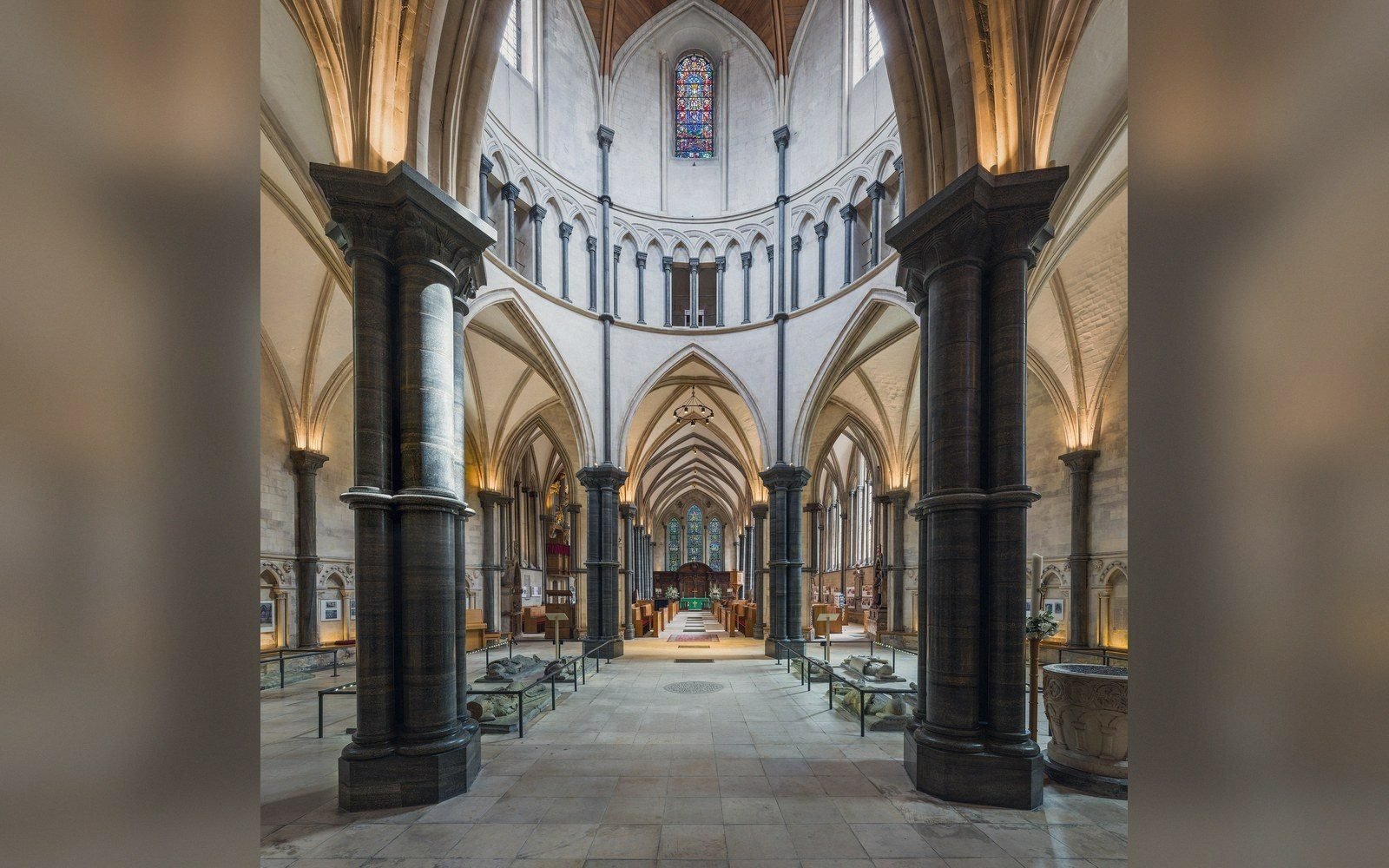
A Church Too Large for Its Town
The scale of the intended building against the population that ever actually arrived — the clearest single measure of the plan's optimism.
V · The Water
Section page-
XXIII
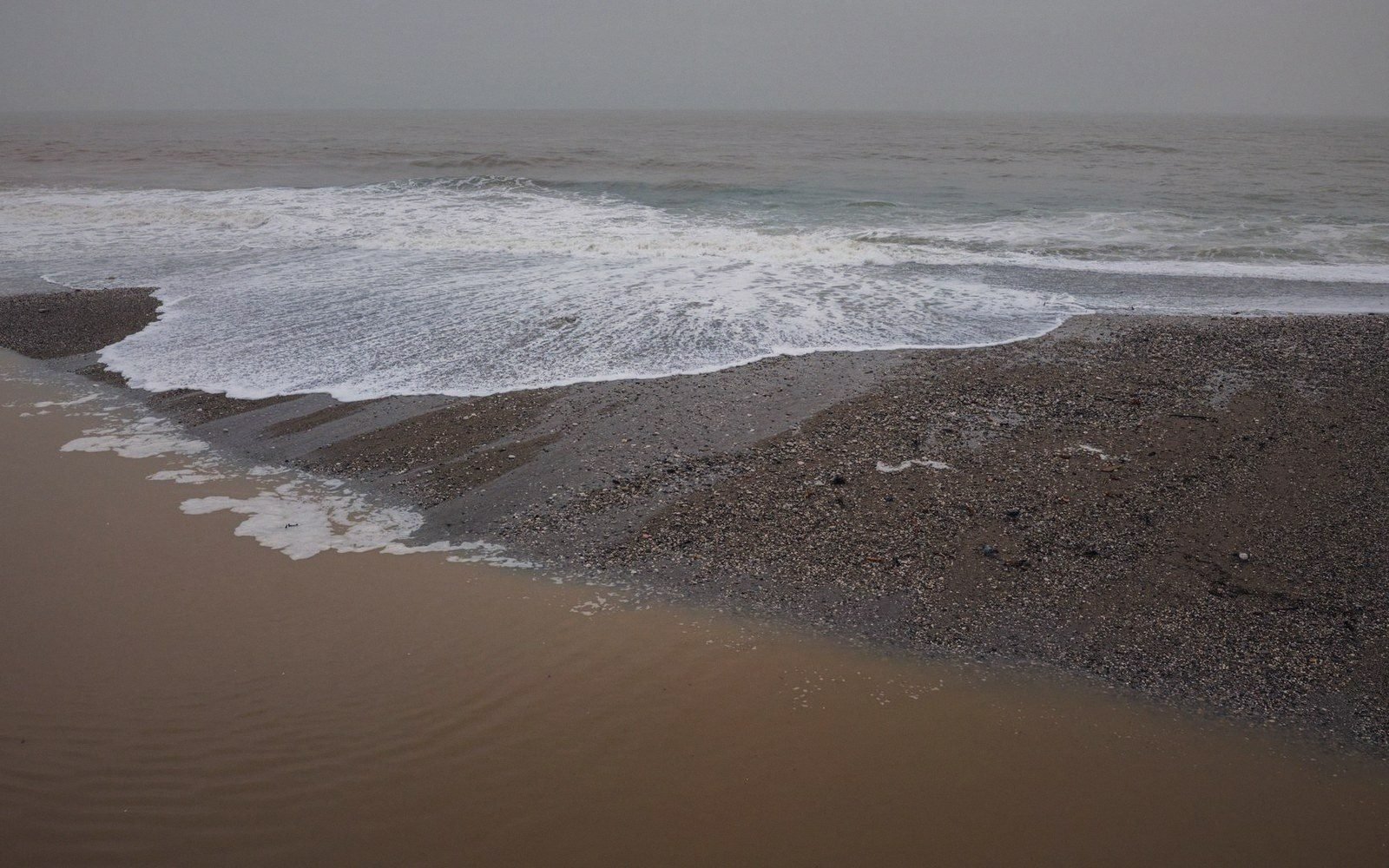
The Night the Sea Took the Old Town
Old Winchelsea was on the shingle below and was destroyed by storm surge in the 1280s. The documented sequence, the decision to move, and what happens to a port that loses its harbour twice.
-
XXVI
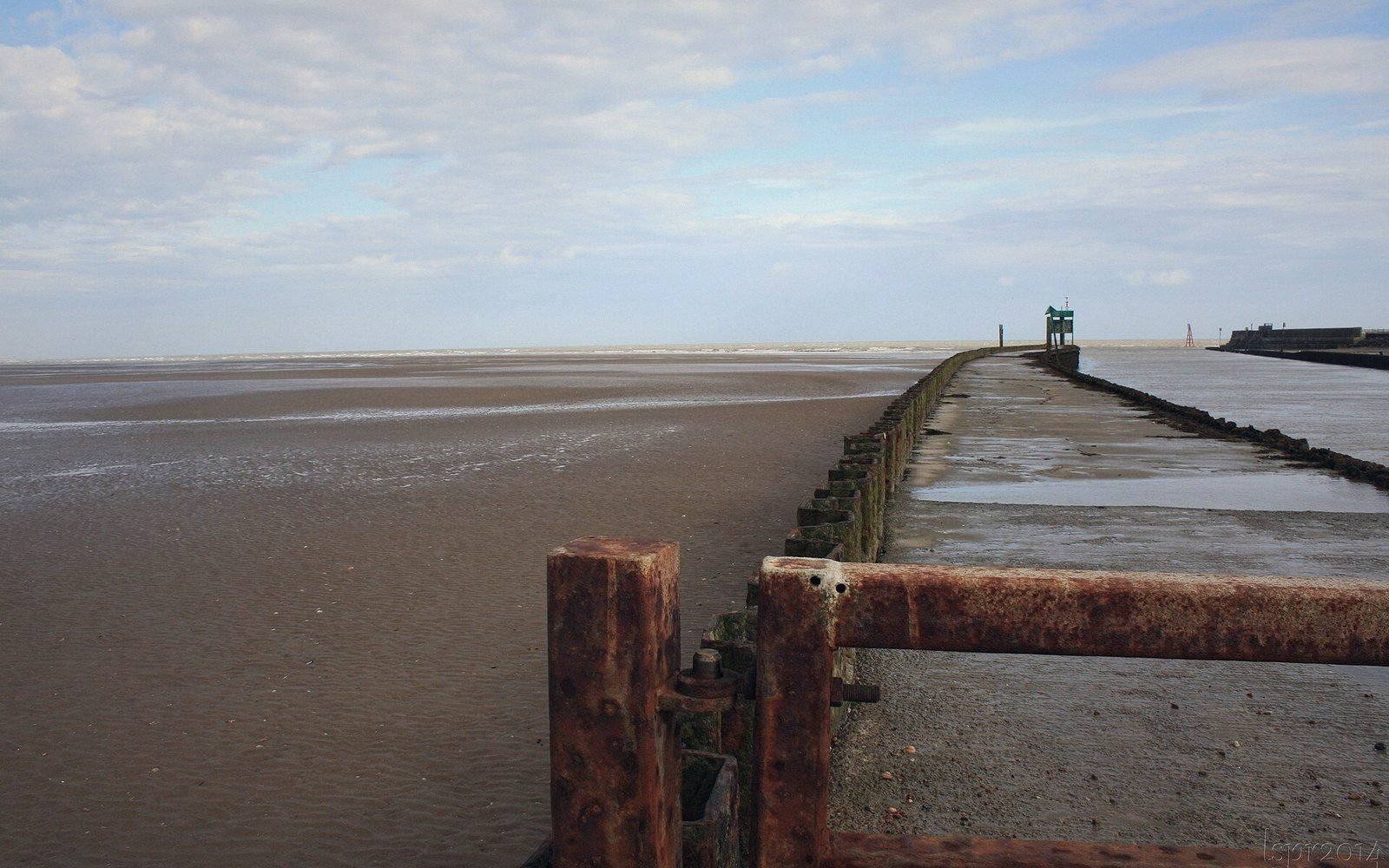
The Silt
The harbour did not close in an event; it closed over decades as the Brede and the tides filled it. The physical process, and the economic consequence of a quay that ships can no longer reach.
-
XXVII
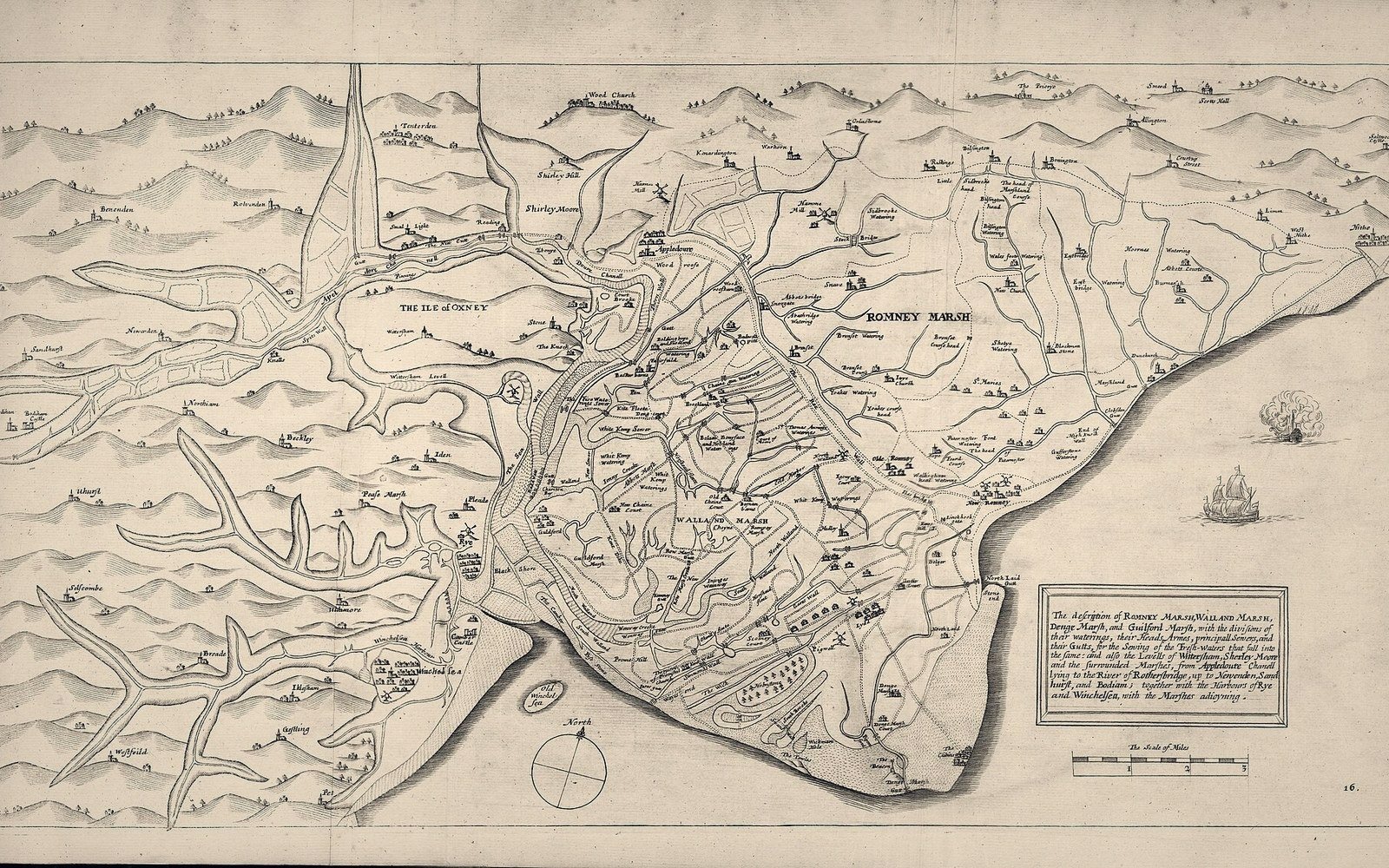
Two Miles of Marsh
The grazing levels between the town and the present shoreline are the old sea bed. How to read the drainage pattern, and what the sea walls are holding back.
-
XXVIII
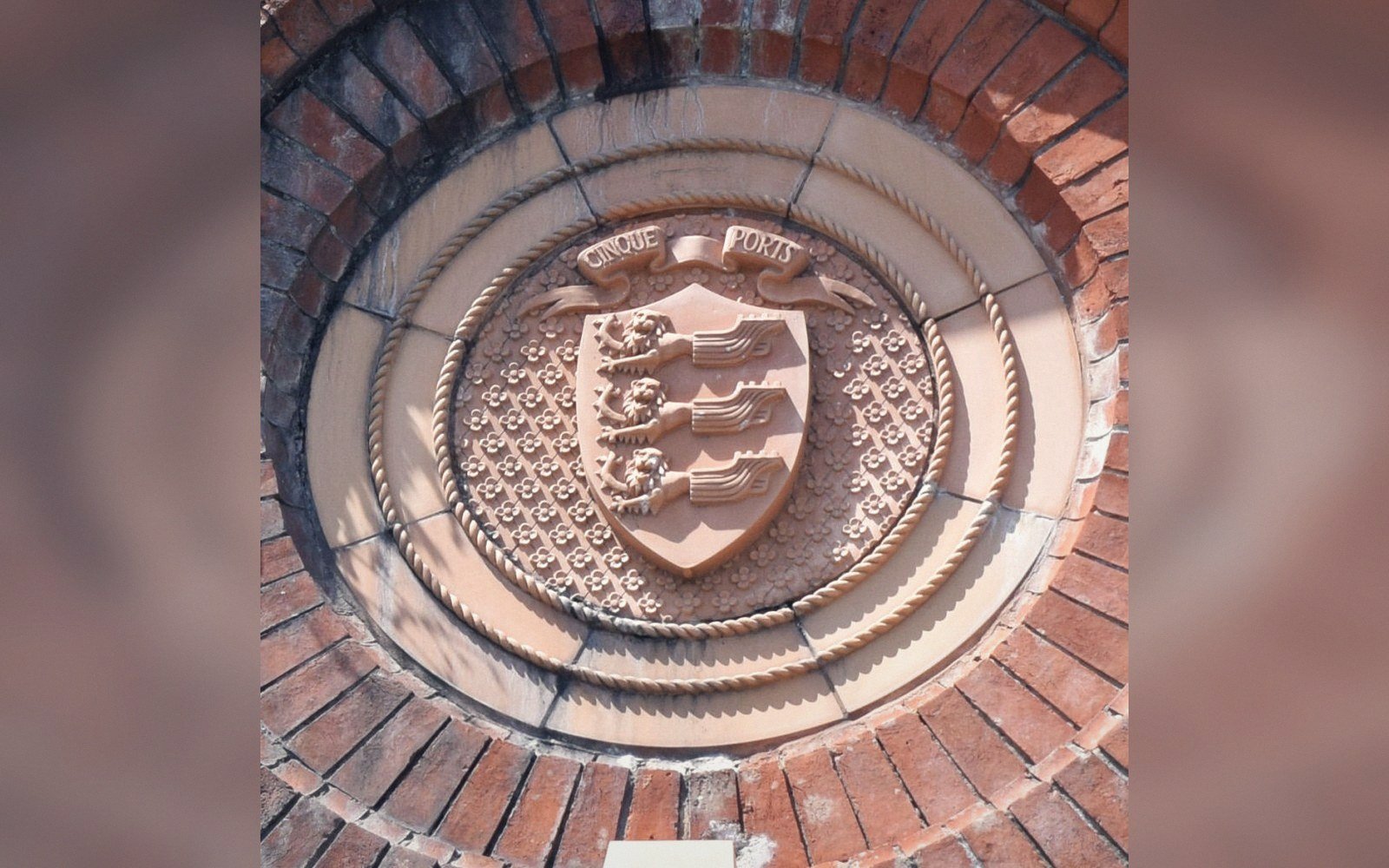
The Cinque Ports, and What a Port Owed
Ship service in exchange for privileges. What membership actually obliged the town to provide, and what it got in return.
VI · What Was Never Built
Section page-
XXIX
Two Thirds of It Is Grass
The plan was drawn for a population that never came, and most of the quarters were never built on. What an unbuilt medieval town square looks like on the ground, and how to see the streets that still serve nothing.
-
XXX
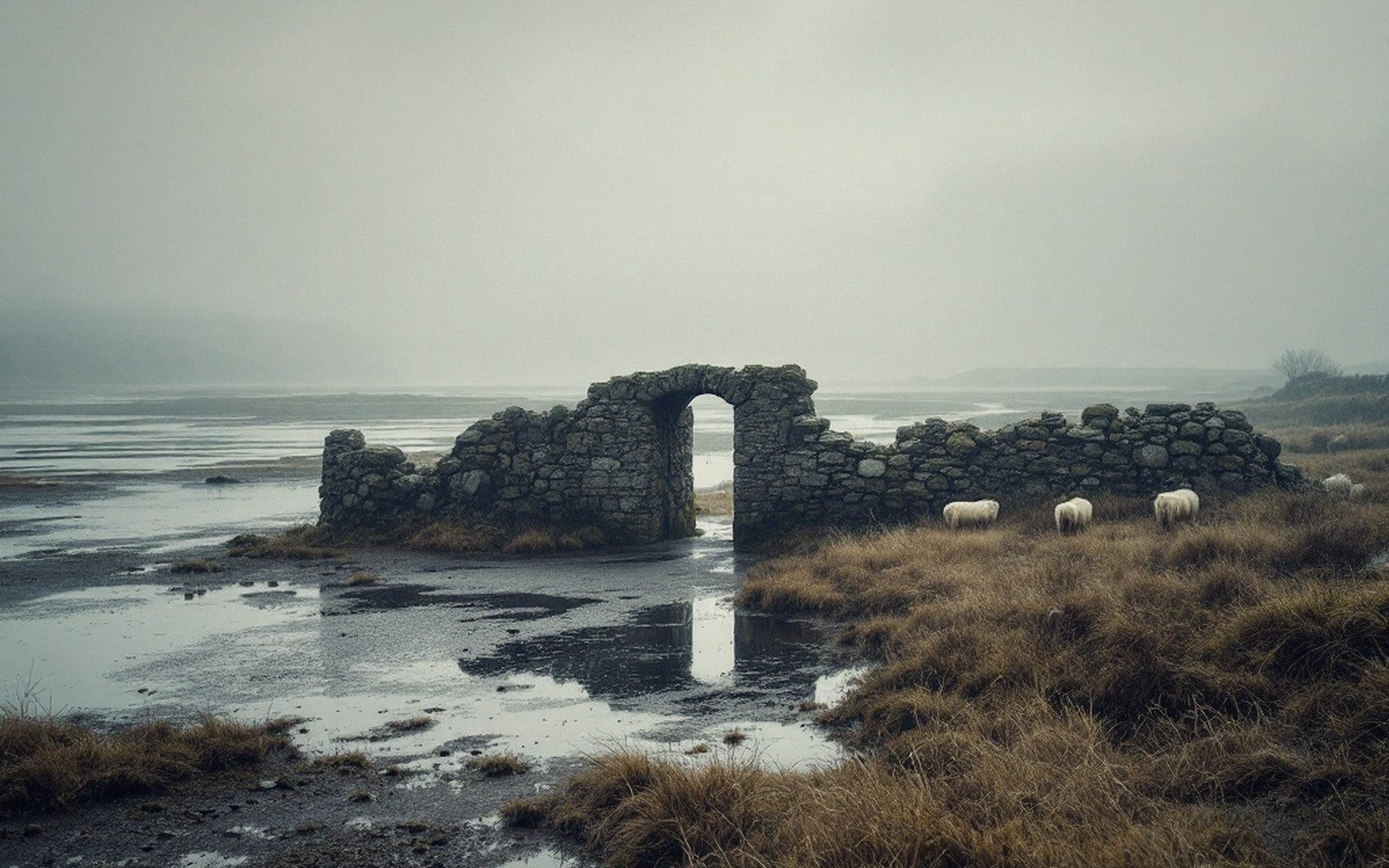
The Population That Never Arrived
Why the town did not fill: the raids, the harbour, the plague, and the plain fact that a planned foundation depends on trade it cannot command.
-
XXXIII
A Town That Shrank Inside Its Own Plan
How the occupied area contracted toward the church over centuries, leaving the outer quarters as fields inside a street grid.
-
XXXIV
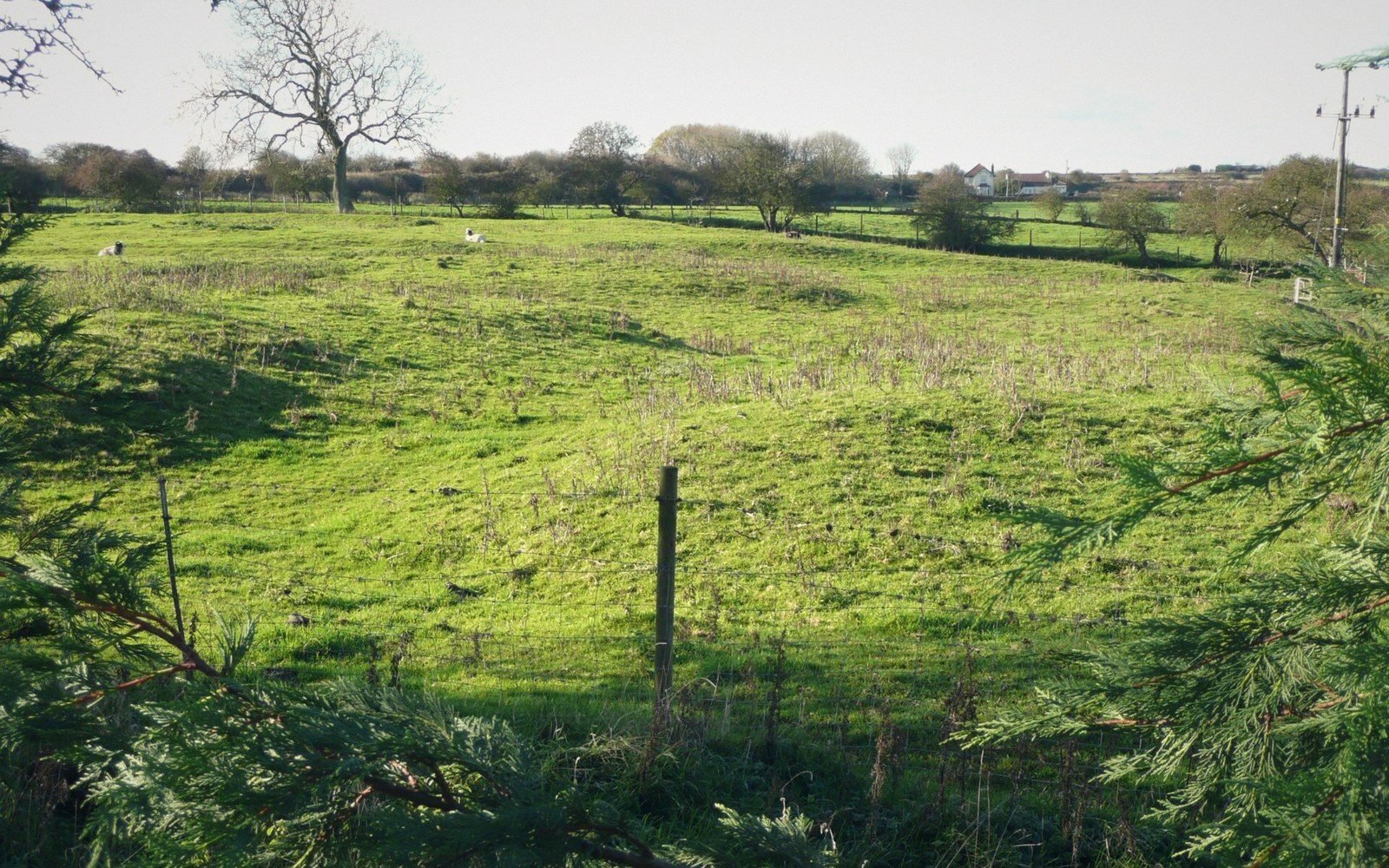
Reading an Empty Quarter
Earthworks, boundary lines, hollow ways and plot divisions still legible in grass. What survives of a square that was laid out and never occupied.