The Bargain
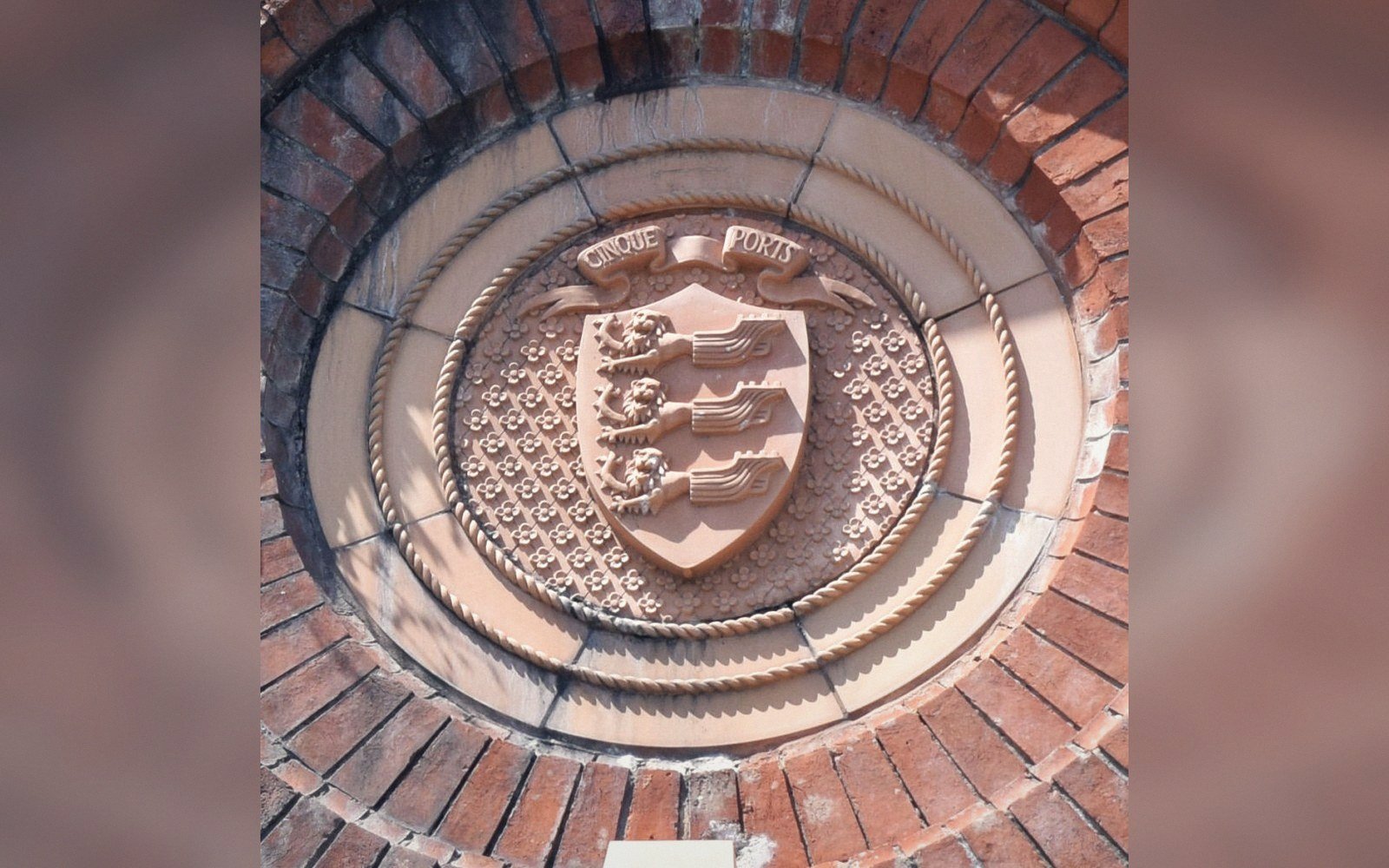
The Cinque Ports were not a navy. They were an arrangement: five head ports — Hastings, Romney, Hythe, Dover and Sandwich — together with their associated limbs and members, agreed to provide the Crown with a fixed number of ships, crewed and provisioned, for a fixed period each year, and in return they received exemptions and liberties that no ordinary borough enjoyed. Winchelsea entered this system as a member of Hastings before being elevated to a full head port in its own right, a promotion that reflected the volume of shipping it could actually put to sea.
The obligation was precise and demanding. Each head port and its members were collectively responsible for supplying a quota of vessels — traditionally fifty-seven ships in total across the confederation, each manned by twenty-one men and a boy, available for fifteen days' service at their own cost. After fifteen days, the Crown was expected to pay. The numbers had solidified by the thirteenth century, and Winchelsea and Rye together were expected to contribute ten ships toward the total. Ten ships crewed to that complement meant more than two hundred men, provisioned and armed, assembled and ready on a date the king or his admiral named. For a working port with the right vessels already in the water, this was burdensome but feasible. For a port in decline it could become ruinous.
The Privileges in Return

Against that service, the Ports held rights that contemporaries understood to be genuinely valuable. The most significant was den and strand — the right to dry and sell fish at Yarmouth during the great autumn herring fair, where the Portsmen also exercised judicial authority over their own merchants in a jurisdiction that ran in parallel with the town's own. This was not a courtesy; it was a commercial monopoly enforced with the king's backing, and it generated friction with Yarmouth that occasionally turned violent and required royal arbitration across two centuries.
There were other exemptions. The Portsmen were free of toll, lastage, passage and other levies that normal traders paid at quays throughout England. They held the right to be tried in their own courts rather than handed to county sheriffs. At a coronation, the barons of the Cinque Ports — and the title baron is used here in its specific Ports sense, meaning a freeborn member of the confederation rather than a nobleman — had the right to carry the canopy over the sovereign, a ceremonial function that persisted well past the point when it carried any military meaning. These were not decorations. Toll exemptions across a network of trading ports were, in practice, a significant reduction in the cost of doing business by sea.
The core exchange
Two columns, one town| Ship quota | Winchelsea and Rye jointly owed ten ships of twenty-one men and a boy each, for fifteen days at their own cost |
|---|---|
| Den and strand | right to sell and have jurisdiction at the Yarmouth herring fair; the most commercially valuable privilege |
| Toll exemptions | freedom from levies at quays across England; a concrete trading advantage |
| Barons of the Cinque Ports | the specific title for freemen of the confederation, not a nobility rank; carried the coronation canopy |
| Brodhull | the assembly at which the Ports conducted collective business |
The arrangement also shaped how the town was governed. Winchelsea's own court exercised jurisdiction over the town and its immediate hinterland in ways that sat outside the normal county structure of Sussex. This autonomy had limits and was contested at the edges, but it was real enough to make membership of the confederation worth maintaining even when the military obligation had grown disproportionately heavy.
When the Debt Became Unpayable
The system worked when the ports were thriving. Winchelsea at its foundation in the 1280s was among the most active wine-importing harbours in England, and the ships required for royal service were essentially the same vessels that carried Gascon wine across the Channel on their own account. Military service was an interruption to commerce, not an incompatible demand. The king wanted crewed ships; the merchants had crewed ships. The overlap was genuine.
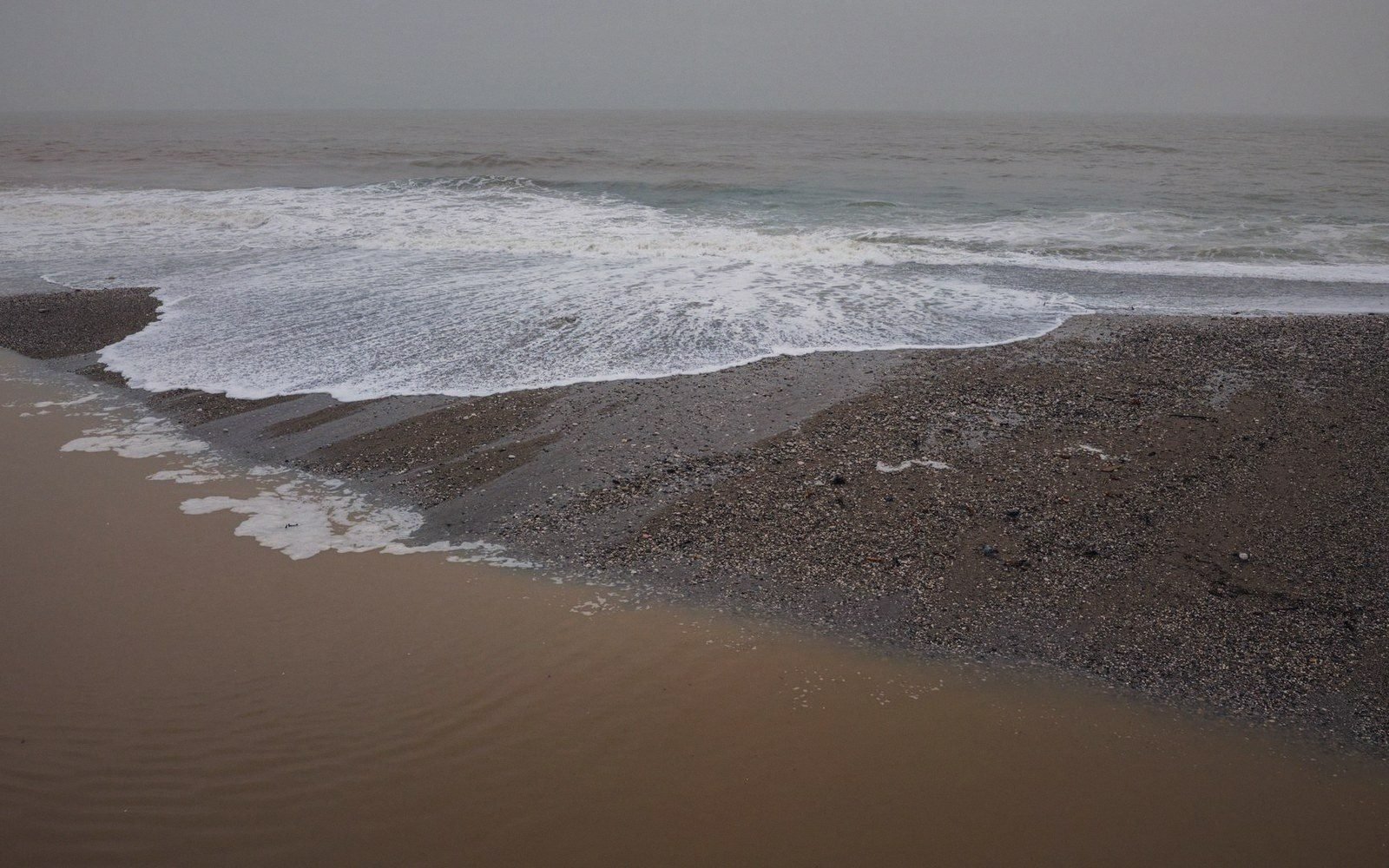
What the system could not absorb was the simultaneous loss of the harbour and the devastation of the French raids across the fourteenth century. Ships need home ports and regular trade to remain in commission. As the Brede and the Tillingham silted and the anchorage withdrew, Winchelsea's ability to contribute its quota shrank with the water. The obligations written into the confederation's founding terms had been calibrated for a functioning harbour. They had no adjustment mechanism for one that was disappearing. The Crown periodically excused or reduced the service owed by individual ports when circumstances made the full demand unrealistic, but these were concessions rather than reforms. The underlying bargain remained unchanged.
By the fifteenth century the gap between obligation and capacity was large enough to be embarrassing. Winchelsea continued to send representatives to the Brodhull — the assembly at which the Ports transacted collective business — and Portsmen continued to carry the canopy at coronations, because the ceremonial residue of the confederation was easier to maintain than its military substance. The privileges survived long after the service that had purchased them was largely notional. This is, in the end, what the Cinque Ports became: a set of medieval rights preserved past their context, administered through institutions that still met and recorded their proceedings, in towns some of which had ceased to be ports in anything except name.

Winchelsea is among the purest examples of this trajectory. The plan was made for a major harbour; the silt closed it; the town shrank; and yet the legal identity of a Cinque Port persisted, a title carried at considerable cost and diminishing benefit, because the original bargain had been written down and no one had the mechanism — or perhaps the occasion — to cancel it.