The Trade That Built the Town
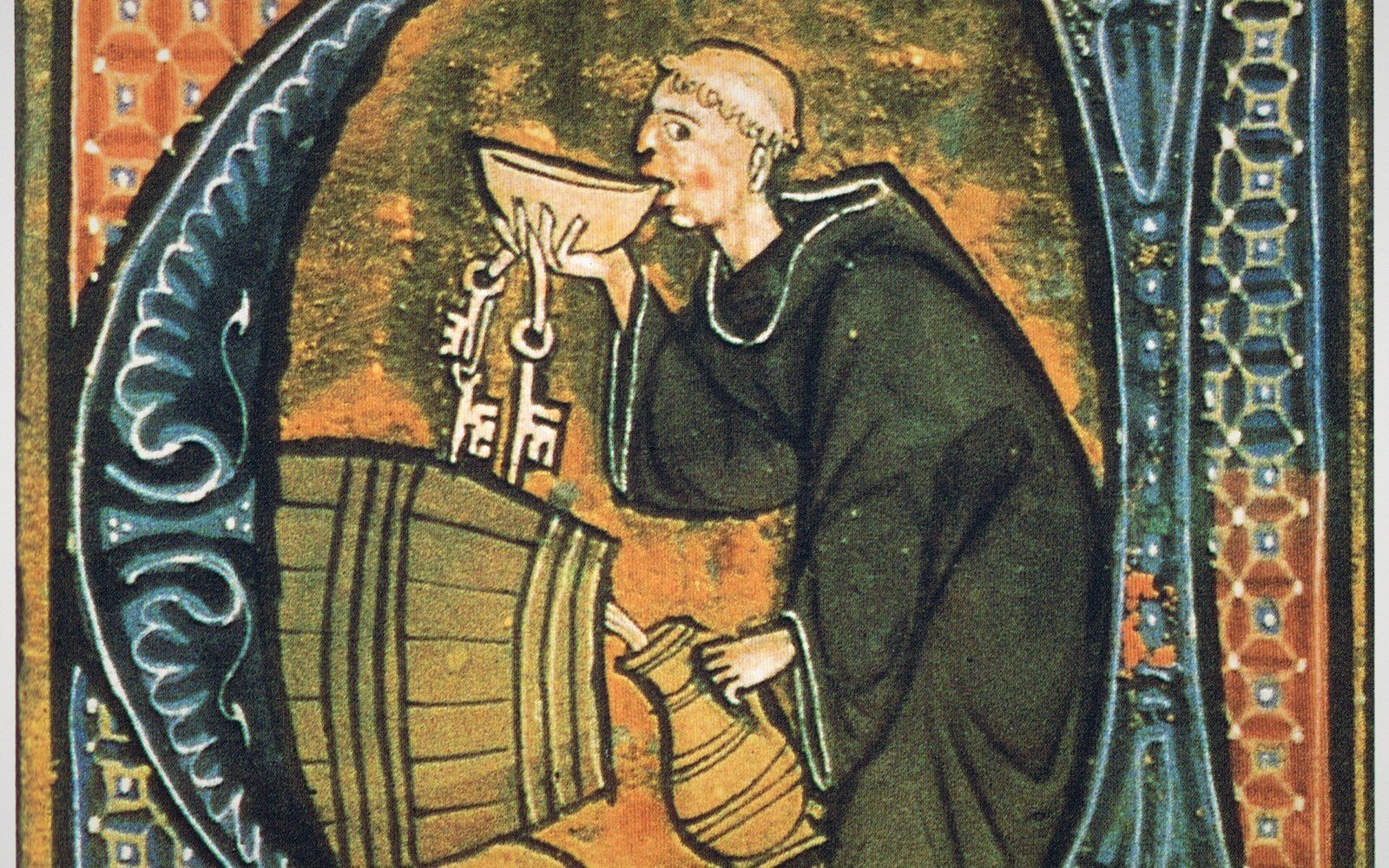
By the time Edward I replanned Winchelsea on the hill in the 1280s, Gascony had been an English possession for over a century, and the wine of Bordeaux and its hinterland was the most valuable bulk commodity moving through the ports of the southeast. It was not a luxury trade in the modern sense — wine was the ordinary drink of households that could afford it, consumed young, bought by the tun (a large cask of roughly 252 gallons), and shipped in quantities that required serious logistics. Winchelsea sat at the western end of the Romney Marsh coastline with a deep-water anchorage in the Brede estuary, and it occupied a place in that logistics chain that justified the considerable expense of cutting stone cellars beneath almost every major plot in the new grid.
The Gascon vintage moved in a predictable cycle. Ships loaded at Bordeaux in the autumn, after the harvest, and aimed to arrive in English ports before winter closed the Channel. A second, smaller shipment sometimes followed in the spring. The wine was young — often only months old — and was best drunk within the year; the trade was not about ageing but about volume and speed. What that meant for a receiving port was an acute need for covered, cool, dry storage between the moment the casks came off the ships and the moment they were moved inland or sold on.
Stone Underground
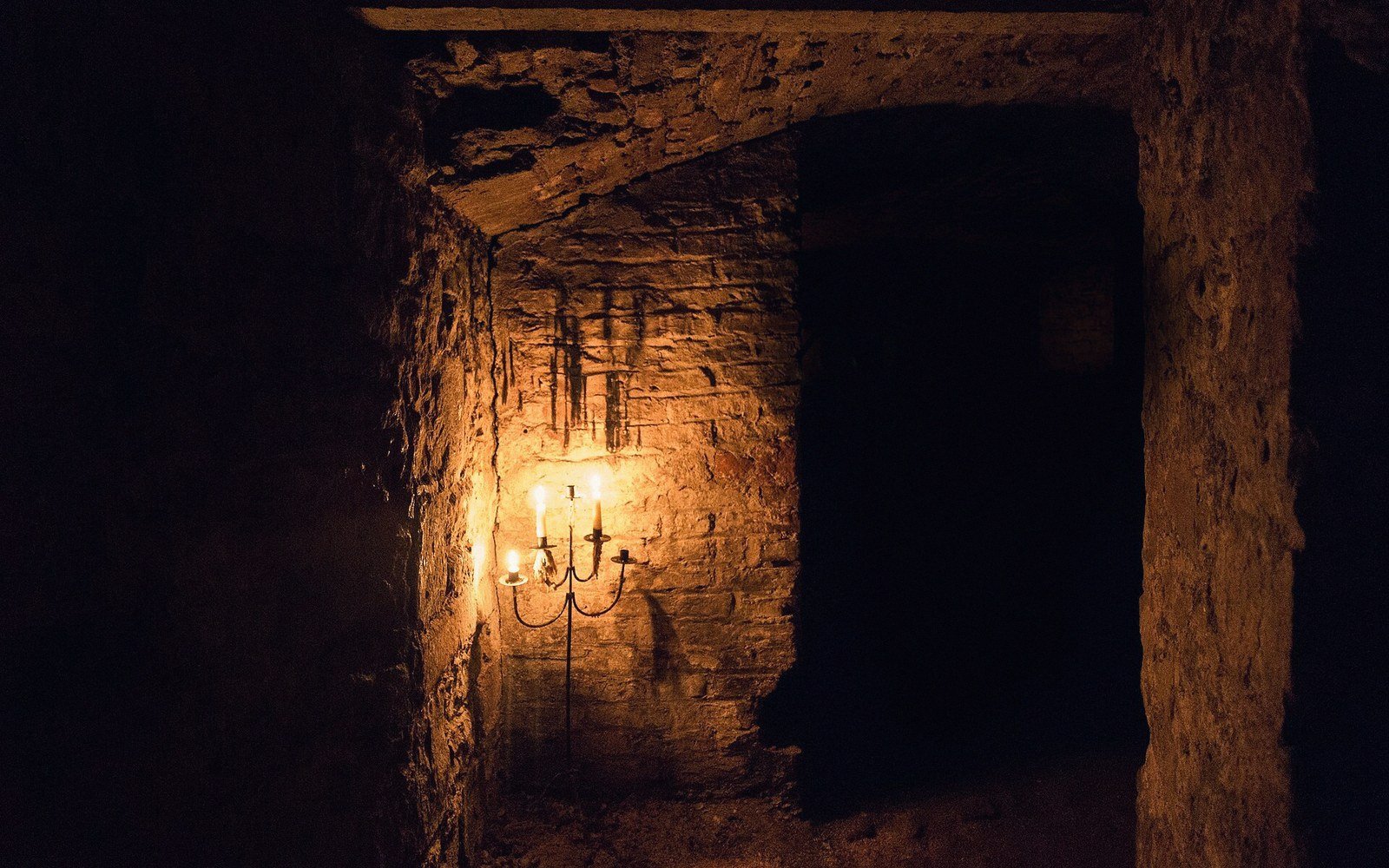
A tun of wine is heavy. Moving it in and out of storage required ramps, doorways wide enough for the casks on their sides, and floors that could take the weight. The vaults beneath the plots of Winchelsea answer those requirements with some precision: broad entrances, rubble floors, and in several cases evidence of ramp access from the street. The stone itself was local — Greensand and Wealden material — and the building of so many cellars so close together in the years after the town's foundation in 1288 reflects a coordinated mercantile intent rather than individual whim.
Temperature mattered too. The Gascon wine arriving in late autumn was already on the turn if exposed to warmth and light; underground storage kept it stable long enough to be worth selling. This was not a refinement available to every port town, and the unusual density of surviving medieval cellars in Winchelsea — more than thirty have been recorded — marks the town as a place that expected to handle serious quantities of perishable cargo. The investment in stone rather than timber speaks to merchants with capital and confidence in the town's future.
The rental survey of 1292, taken only four years after the foundation, records tenants on plots across the grid, many of them identifiable as traders with connections to the Gascon wine trade. The document is not a cargo manifest, but the pattern of occupation — plots near the market area and the streets leading toward the harbour taken up quickly, outer quarters more sparsely settled — is consistent with a commercial centre organising itself around port traffic. The scale the founders imagined was not small: thirty-nine quarters were laid out, and if even a fraction of those plots had been built to the density the plan implied, the storage infrastructure underground was matched to it.
Chronology of the trade
4 entries · in order- 1152 onwardsGascony part of English territories via the Angevin inheritance
- 1288Winchelsea refounded on the hill; new grid platted
- 1292rental survey records early occupation of the grid
- 14th centuryFrench raids and harbour silting progressively undermine the port's position
What the Volume Implies
The tonnage records that survive for the Cinque Ports in the late thirteenth and early fourteenth centuries suggest that Winchelsea and its neighbour Rye were handling a significant share of England's Gascon wine imports — figures that placed them alongside much larger towns. That position did not last: the raids of the fourteenth century disrupted trade, the harbour began its long silting, and the population that was supposed to fill the grid never fully arrived. But for perhaps two or three generations after the foundation, this was a genuinely active wine port, and the cellars cut into the sandstone below the streets were working infrastructure, not architectural gesture.
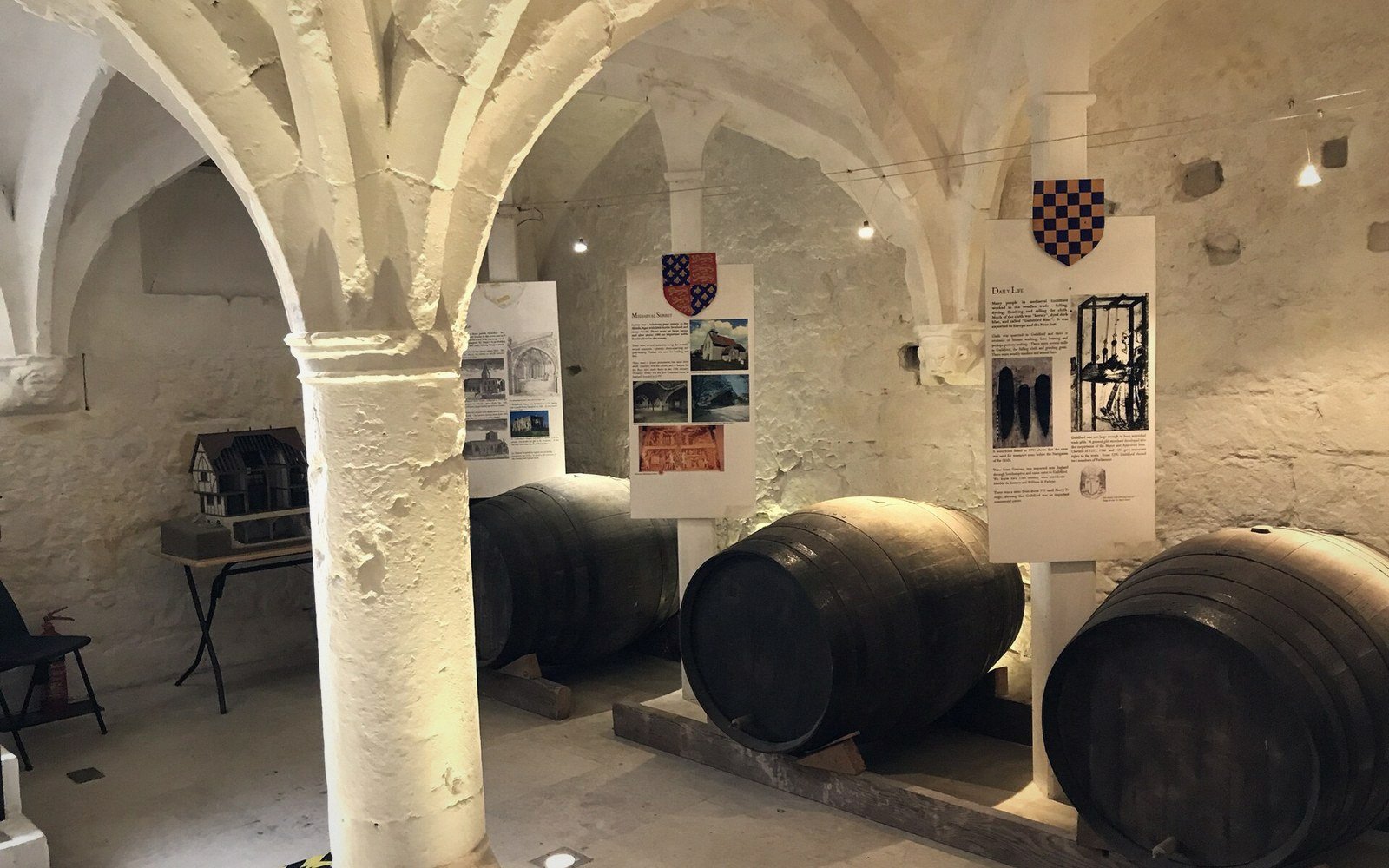
The wine is long gone. The casks rotted, the merchants moved or died, and the harbour that connected Winchelsea to Bordeaux is now two miles of grazing marsh. What remains is the stone — cool, quiet, and still shaped for the thing it was built to hold.