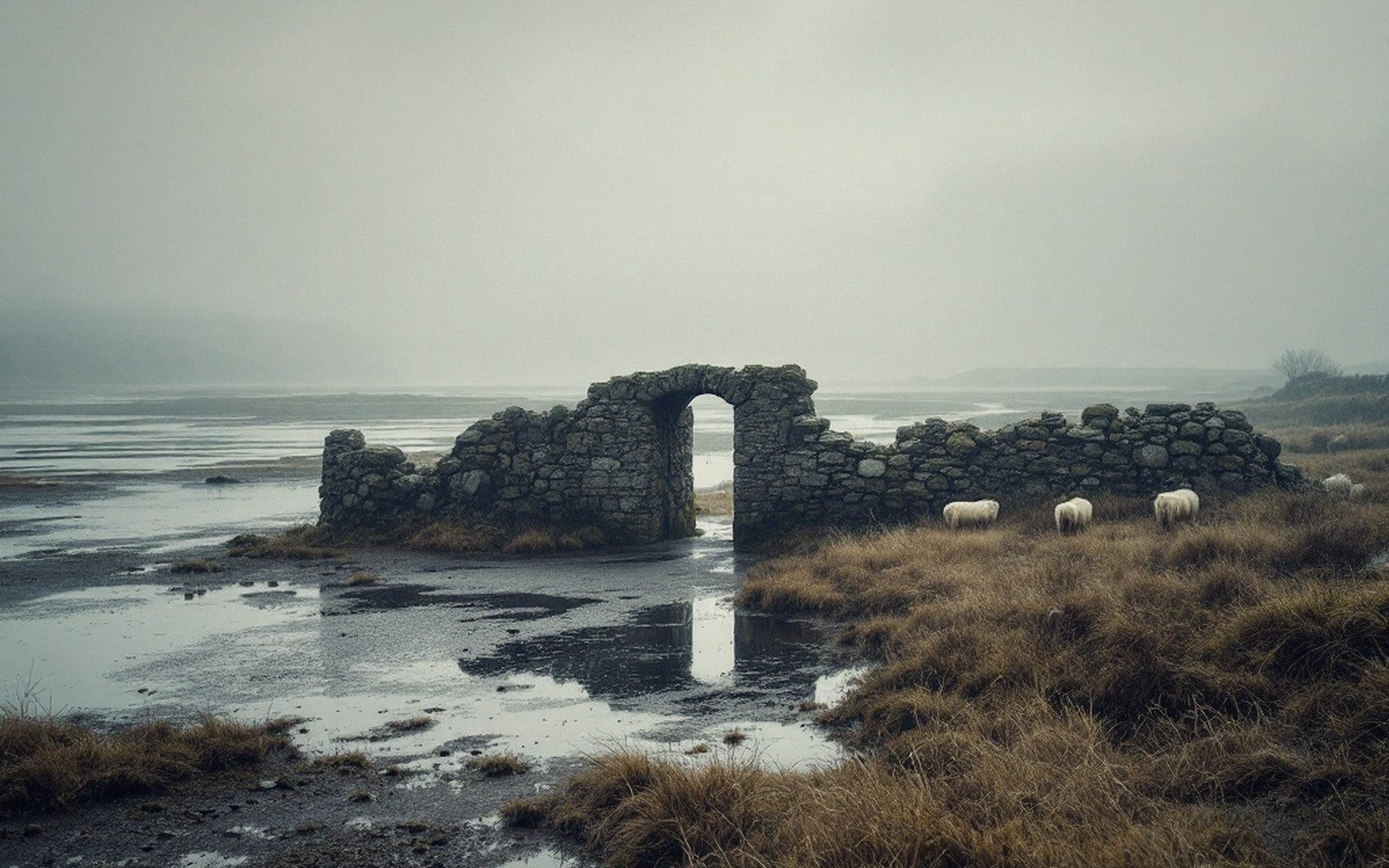
A Plan Without Settlers
Edward I refounded Winchelsea in the 1280s on a headland above the marsh, and the plan was ambitious: thirty-nine quarters laid out in a rectilinear grid, each quarter subdivided into plots, each plot in principle a working household contributing to a port economy. The rental of 1292 records the grid in careful detail, square by square. It is a document full of assigned plots, legal tenures and named holders — and it reads, if you look at it against what the town became, more like an intention than a description.
The problem was not the planning. The grid is real, the gates are real, the church is real in its ambition. What the Crown could not legislate into existence was a self-sustaining commercial population. A planned foundation of this kind depended entirely on trade it could not command. Merchants needed a reason to settle; sailors needed a harbour they could use; both needed safety. Winchelsea was about to lose all three.
Four Reasons the Quarters Stayed Empty
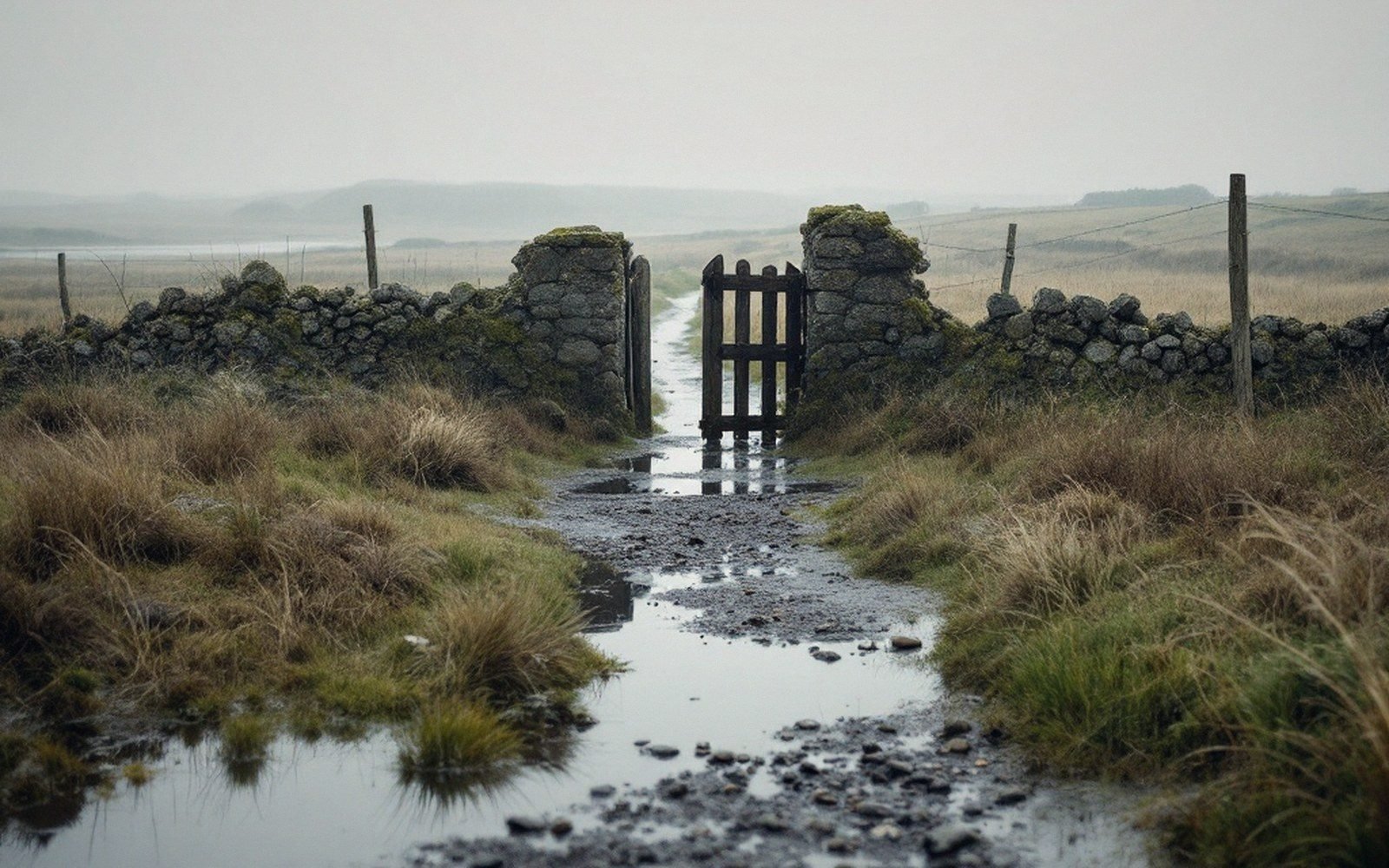
The French raids began in earnest in the fourteenth century. Winchelsea was attacked repeatedly — the documented assaults caused real destruction to buildings, population and confidence, and each raid made the town a less persuasive place to stake a merchant's capital. The raids did not empty the town at a stroke, but they interrupted the accumulation of trade, wealth and institutional habit that a new foundation needs in its first generations. A town still establishing itself cannot absorb that kind of repeated damage without losing ground it may never recover.
The harbour was meanwhile closing. The Brede and the Rother silted with the same obstinacy that had drowned the old town in a different way, and the tidal channels through the marsh narrowed and shallowed across the fourteenth and fifteenth centuries. This was not a sudden event but a long defeat: ships that could once run up to the quays found the water too shallow, then found the channel gone. By the time the process was complete, the sea was two miles away across grazing levels. A Cinque Port without a workable harbour could still carry its obligations on paper, but it could not sustain the wine trade, the fishing fleets or the coastal commerce that gave those obligations their original meaning.
Chronology
5 entries · in order- 1280sRefoundation planned and surveyed on the ridge above the marsh
- 1292Rental document records the grid plot by plot
- 14th centuryFrench raids begin; harbour progressively silts
- 1348–49Black Death reaches England; port towns among first affected
- 15th century onwardOuter quarters revert to pasture; occupied area contracts
Then came plague. The Black Death reached England in 1348–49, and Winchelsea — a port town with direct connections to continental shipping — was among the first places it could reach. The mortality was severe in the country at large; in a port community already under demographic pressure, the losses were more than a temporary disruption. The population that the grid had been drawn for was not large to begin with; after plague, after raids, after the harbour silted, what remained contracted toward the church and the central quarters, leaving the outer plots to grass.
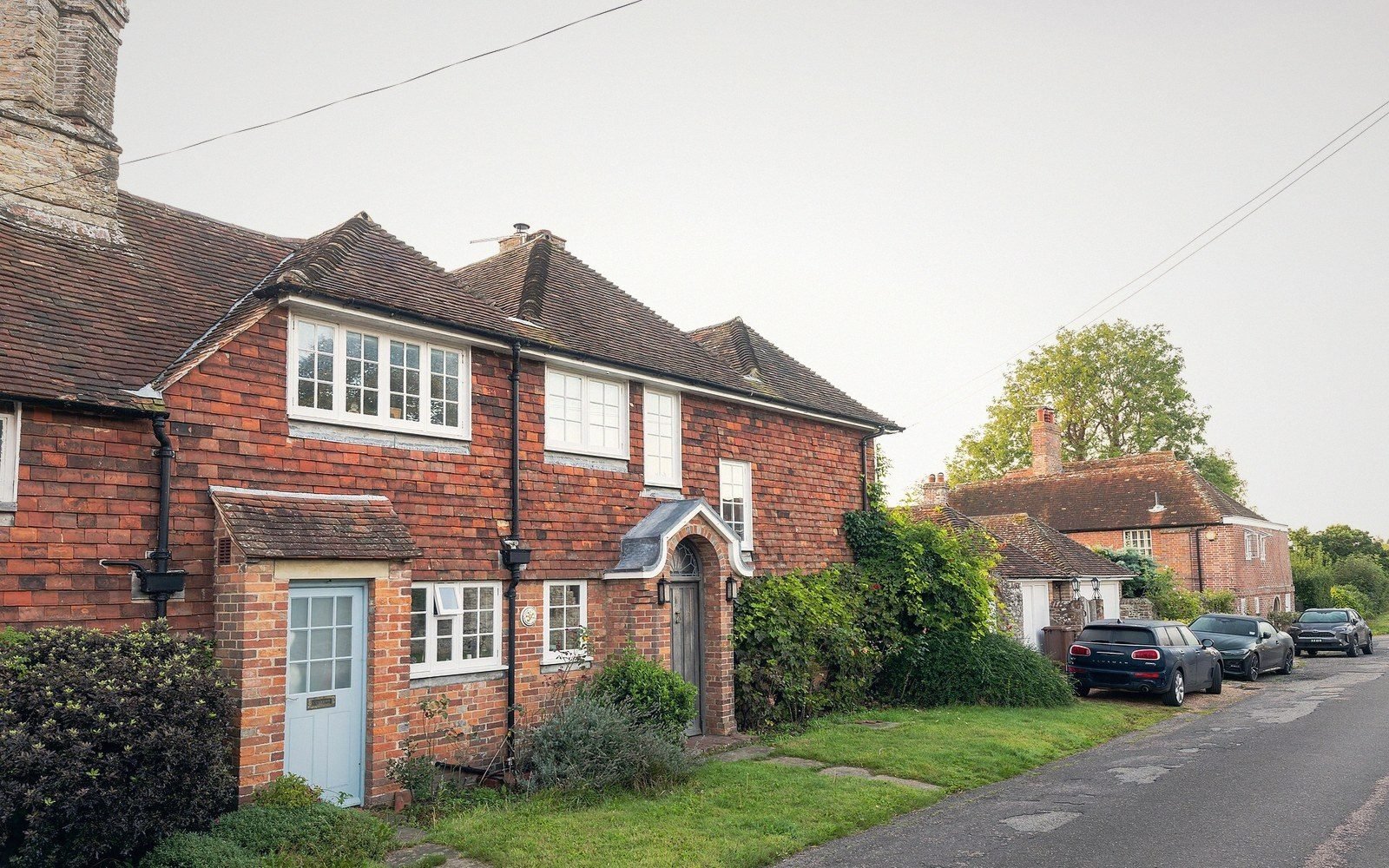
The fourth reason is structural and perhaps the hardest to argue against: the premise of the foundation was always fragile. Edward's new town was a project of royal will and administrative energy, not of organic commercial growth. A town drawn before it existed depends on external conditions holding steady long enough for it to become self-sustaining. Winchelsea's conditions did not hold. The window between the completion of the plan and the beginning of its undoing was narrow — a generation or two at most — and it was not enough.
What the Grid Preserved
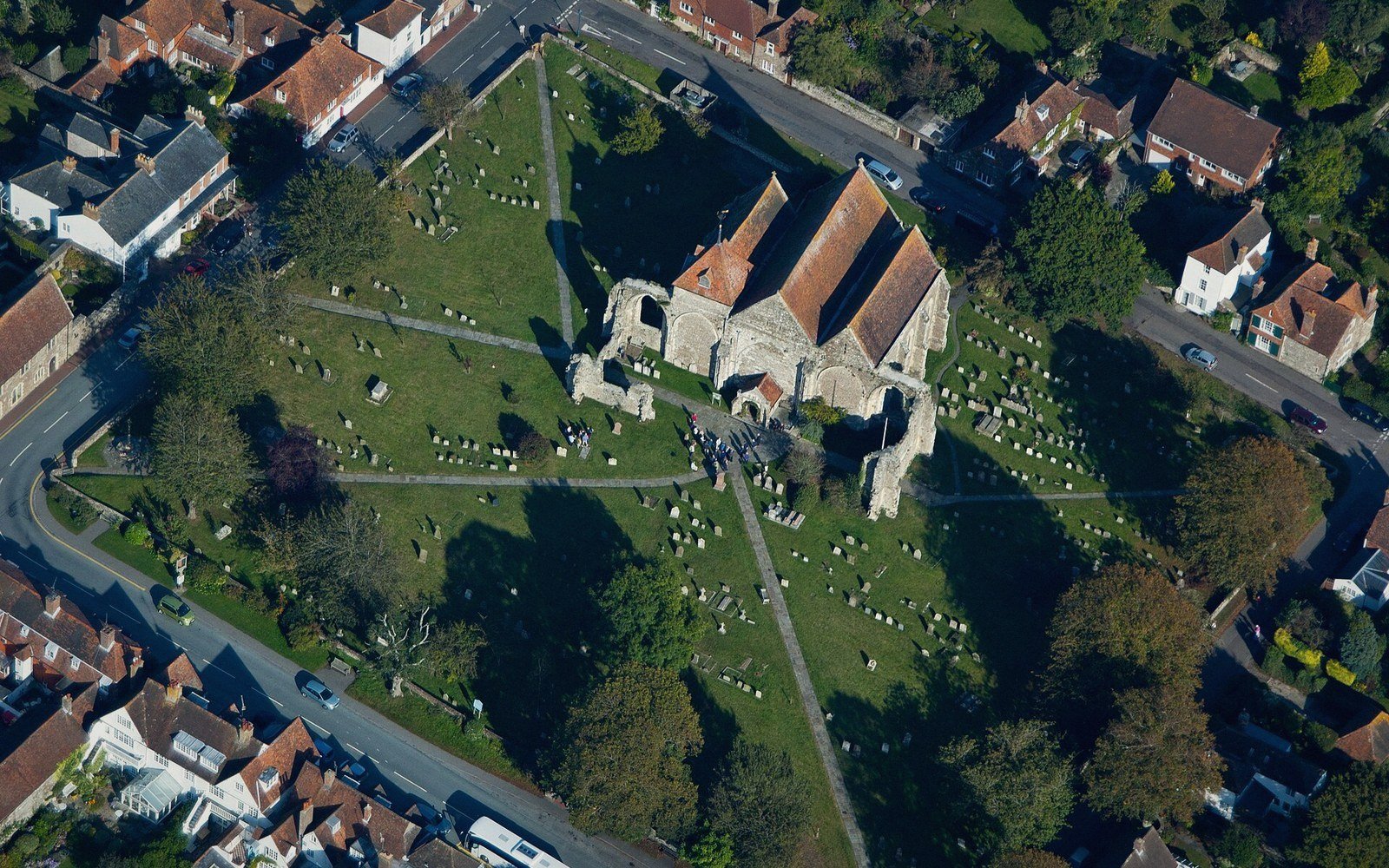
The quarters that were never built are not nothing. They are, in a sense, the most legible part of the town's history: the earthworks, the hollow ways, the plot boundaries still visible in rough pasture are the remains of a plan that outlasted the economy that was supposed to fill it. Two-thirds of the intended area is now grass, and the geometry survives in that grass more clearly than it would if every plot had been built on and rebuilt and built on again across seven centuries.
The population did not arrive. But the plan did, and it endured — which is unusual enough to be worth standing in the square and thinking about.