
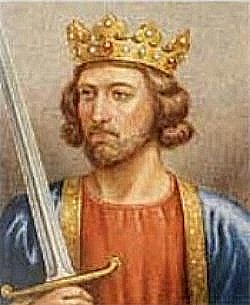
Winchelsea is a small town in East Sussex and is very rich in historical significance. It stands on the site of a medieval town and was founded in 1288 to replace an earlier town known as Old Winchelsea, which was lost to the sea. Today’s winchelsea was the result of the old town’s population being moved here when Edward King 1 ordered a planned town to be built in 1281.
Old Winchelsea was probably founded as an Old Saxon fishing settlement sometime after 800AD. It was built on a massive shingle bank across the ancient bay within which Romney Marsh now lies. The name Winchelsea is rooted in the location of the town. The suffix Chelsea comes from the Saxon word chesil, which refers to a shingle beach or embankment. Win can be derived from the word local word gwent, which means a level and refers to the marshland that lies behind the old town. Cooper, the British historian mooted that the prefix was derived from the word wind and referred to Old Winchelsea’s position on the coast.
Old Winchelsea rapidly developed into one of the major ports of the region and was soon recruited into the much-revered Confederation of Cinque ports. This was a symbiotic alliance of Sussex and Kent ports that was formed in Saxon times. It’s primary objective was to provide ships and men to the Crown in times of war and turmoil (upto 56 ships and men for 15 days, any time of the year). Merchant vessels would be converted into warships when needed by the erection of castles on the forecastle and stern. This could be seen on the seals of Winchelsea and other Cinque ports. In exchange for these services, the ports received privileges such as their own courts, exemption from royal taxes, the right to tax goods passing through their ports, and the right to wrecks and salvage.